

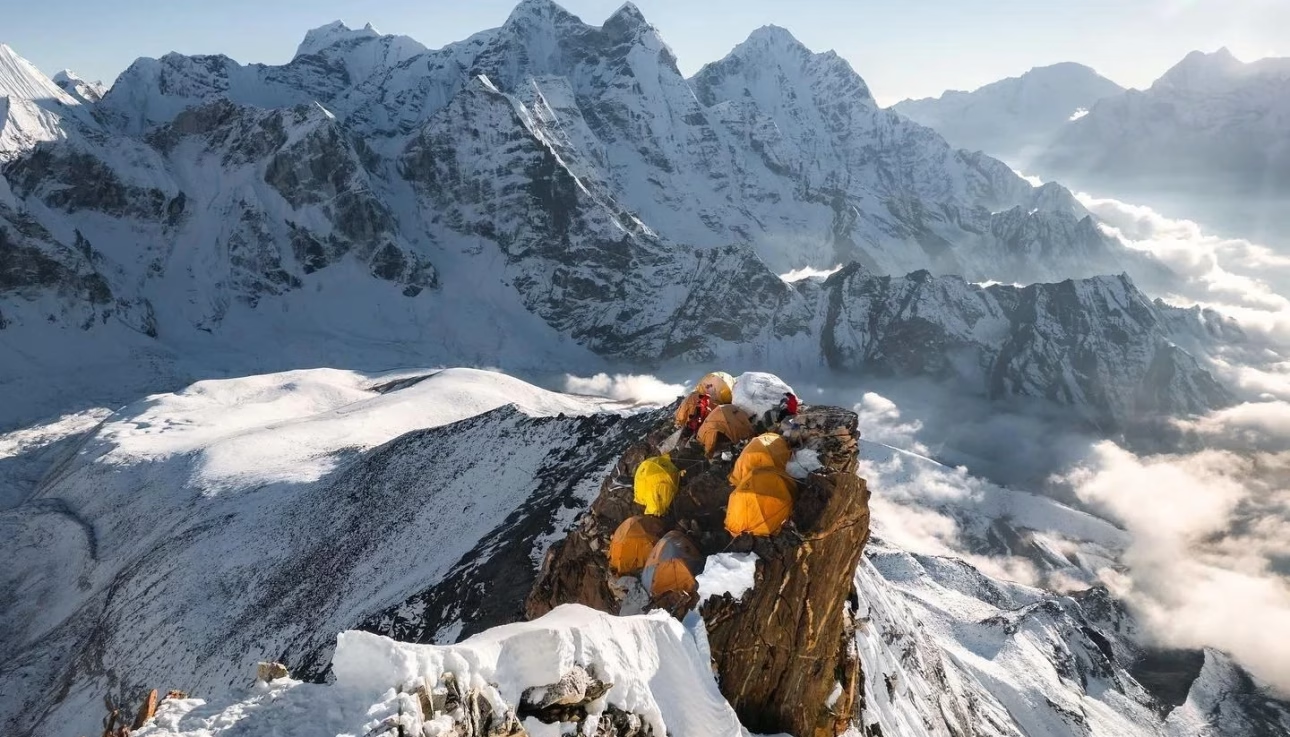
Nepal is one of the world’s most remarkable destinations for mountaineering and Himalayan peak climbing. Home to the world’s highest mountains, spectacular alpine landscapes and generations of experienced mountain communities, Nepal offers extraordinary opportunities for climbers seeking their first Himalayan summit or a demanding high-altitude expedition.
At Nepal Tours Packages, we organise Nepal expeditions and peak climbing adventures for international climbers who want to experience the Himalayas with knowledgeable local professionals. From trekking peaks such as Island Peak and Mera Peak to technical mountaineering challenges such as Ama Dablam, our team helps plan climbing journeys according to your experience, fitness, available time and objectives.
Whether you are preparing for your first 6,000-metre summit or planning a more demanding Himalayan climb, we can help arrange a personalised expedition with climbing support, permits, accommodation, transport and logistical coordination.
Explore our Nepal peak climbing packages and contact our team to discuss a customised Himalayan expedition.
Explore our Nepal adventure and climbing packages
Why Choose Nepal for Your Mountaineering Expedition?
Nepal offers an exceptional variety of mountains, climbing environments and expedition experiences. Its Himalayan landscape includes accessible trekking peaks, challenging alpine routes and some of the world’s most recognised mountaineering objectives.
Climbing in Nepal is about more than reaching a summit. It is an opportunity to experience traditional mountain communities, remote valleys, high-altitude landscapes and the distinctive culture of the Himalayan regions.
Some of the reasons climbers choose Nepal include:
- World-famous Himalayan peaks: Nepal offers climbing opportunities across the Everest, Annapurna, Langtang, Manaslu and other mountain regions.
- Different levels of climbing challenges: There are options for suitably prepared trekkers progressing towards mountaineering as well as experienced technical climbers.
- Experienced local mountain professionals: Sherpa climbing guides, mountain crews and local support teams play an important role in Himalayan expeditions.
- Spectacular mountain landscapes: Climbers experience glaciers, alpine valleys, snow-covered ridges and panoramic views of the world’s highest mountains.
- A rich cultural experience: Expeditions often pass through traditional Sherpa, Gurung and other Himalayan communities, offering opportunities to understand local traditions and mountain life.
Nepal Peak Climbing Packages
Nepal peak climbing is an excellent way for suitably prepared trekkers and mountaineers to experience high-altitude climbing. Many trekking peak itineraries combine mountain trekking, acclimatisation, basic technical preparation and a summit attempt.
The level of difficulty varies considerably between peaks. Some require fundamental mountaineering skills, while others involve more demanding glacier travel, steep snow and ice slopes, fixed ropes and technical climbing.
Our existing climbing programmes include the following destinations.
Island Peak Climbing (6,189m)
Island Peak, also known as Imja Tse, is one of Nepal’s best-known trekking peaks. Located in the Everest region, it offers a rewarding combination of high-altitude trekking and mountaineering.
The climb can be combined with the Everest Base Camp route, allowing travellers to explore the Khumbu region, experience Sherpa culture and acclimatise before attempting the summit.
Our Island Peak Climb with Everest Base Camp Trek – 19 Days combines the iconic Everest Base Camp experience with an ascent of Island Peak.
Mera Peak Climbing (6,476m)
Mera Peak is one of Nepal’s highest trekking peaks and a popular objective for climbers seeking a high-altitude Himalayan summit.
The journey passes through remote mountain landscapes in the Hinku Valley, offering a different experience from the busier Everest Base Camp trail. Although the normal climbing route is generally less technically demanding than some other Himalayan peaks, the altitude makes Mera Peak a serious undertaking.
Good physical preparation, suitable acclimatisation and appropriate mountaineering equipment are essential.
Lobuche East Peak Climbing (6,119m)
Lobuche East is a rewarding Himalayan climbing objective in the Everest region. Its location close to the Everest Base Camp trail makes it possible to combine the climb with an exploration of the Khumbu Valley.
The ascent involves glacier travel and sections requiring the use of mountaineering equipment and fixed ropes. Climbers should have appropriate preparation and be comfortable with high-altitude conditions.
Chulu West Peak Climbing
Chulu West is an attractive climbing objective in the Annapurna region, combining a high-altitude trekking experience with a challenging mountain ascent.
The journey offers magnificent views of the Annapurna and Dhaulagiri ranges and the surrounding landscapes of the Annapurna Circuit. Climbers should be prepared for remote mountain conditions, changing weather and the physical demands of a high-altitude climb.
Our Chulu West Peak Climbing offer the best peak climbing package cost and details.
Paldor Peak Climbing
Paldor Peak is located in the Ganesh Himal region, north of Kathmandu. It offers an alternative to the more frequently visited climbing destinations of the Everest and Annapurna regions.
The journey takes climbers through less-visited mountain landscapes and traditional settlements, making it an appealing choice for those interested in a quieter Himalayan experience. See more our Paldor Peak Climbing package.
Interested in a trekking peak? Explore our current Nepal climbing packages or contact us for an individually designed itinerary.
Technical Mountaineering Expeditions in Nepal
For experienced mountaineers, Nepal offers challenging technical climbs that demand a higher level of preparation, climbing ability and expedition experience.
These expeditions may involve steep rock, snow and ice sections, exposed ridges, glacier travel, multiple high camps and extended periods at altitude. The appropriate climbing support, equipment and logistics depend on the individual mountain and route.
Ama Dablam Expedition (6,812m)
Ama Dablam is among the most recognisable mountains in the Everest region. Its dramatic pyramid-shaped summit, steep ridges and technical climbing sections make it a highly regarded objective for experienced mountaineers.
The ascent involves technical rock, snow and ice climbing, fixed ropes and exposed sections at high altitude. Previous mountaineering experience and familiarity with technical climbing equipment are essential.
Our Ama Dablam Climb – 15 Days Technical Himalayan Expedition is designed for experienced climbers seeking a professionally coordinated technical mountain adventure.
Ama Dablam is not a beginner’s climb. Climbers should have suitable previous high-altitude and technical mountaineering experience before considering this expedition.
Other Himalayan Expedition Objectives
Nepal also offers more demanding mountaineering objectives across the Himalayan range. Depending on the mountain, route conditions, permits and operational arrangements, expeditions may include peaks such as Himlung Himal, Baruntse, Dhaulagiri and other high-altitude mountains.
These climbs require individual assessment and detailed planning. We can discuss suitable objectives based on your previous climbing experience, preferred season, group size and expedition requirements.
Best Season for Nepal Expeditions and Peak Climbing
Choosing the right season is an important part of planning a successful Himalayan climbing trip. Weather, snowfall, temperature, wind conditions and route conditions can vary significantly between mountains and climbing seasons.
Spring Season (March to May)
Spring is one of the main mountaineering seasons in Nepal. Conditions are generally favourable for many Himalayan climbing objectives, although individual mountain conditions vary.
During spring, climbers can experience longer daylight hours, changing snow conditions and spectacular mountain scenery.
Autumn Season (September to November)
Autumn is another major season for trekking and climbing in Nepal. Following the monsoon, many mountain regions offer clearer skies and excellent visibility.
October and November are popular months for climbing and high-altitude trekking, although temperatures become colder as the season progresses.
Winter Season (December to February)
Winter climbing is possible on selected mountains, but cold temperatures, snow conditions and strong winds can make high-altitude mountaineering more challenging.
Winter expeditions require careful assessment of the mountain, route and climber experience.
Monsoon Season (June to August)
The monsoon brings heavy rainfall to many parts of Nepal, particularly in the lower and middle elevations. This period is generally less suitable for many conventional climbing itineraries because of wet trails, cloud cover, landslide risks and weather-related transport disruptions.
Some rain-shadow regions have different seasonal conditions, so the best period should be assessed according to the specific destination.
How to Prepare for a Himalayan Expedition
Climbing a Himalayan peak requires more preparation than undertaking an ordinary trekking holiday. Physical fitness, technical ability, altitude experience and suitable equipment all contribute to a safer and more rewarding expedition.
Before choosing a climbing programme, consider the following:
Physical Fitness
Develop cardiovascular endurance, leg strength and general stamina through regular hiking, walking, running, cycling or other suitable training. Your preparation should reflect the duration and physical demands of the intended climb.
Previous High-Altitude Experience
Experience at altitude helps you understand how your body responds to reduced oxygen levels, physical exertion and changing mountain conditions.
For more demanding technical expeditions, previous climbing experience at high altitude is particularly important.
Technical Climbing Skills
Depending on the mountain, climbers may need experience using crampons, ice axes, harnesses, ascenders, descenders and fixed ropes.
Technical training should be completed before attempting a climb that requires these skills.
Climbing Equipment
Personal equipment may include mountaineering boots, crampons, an ice axe, harness, helmet, suitable gloves, technical clothing and a high-altitude sleeping system.
The exact equipment list depends on the mountain, route, season and expedition arrangements.
Travel and Rescue Insurance
Appropriate insurance is essential. Climbers should arrange cover that explicitly includes the altitude and activities of their planned expedition, emergency medical treatment and helicopter evacuation where available.
Always check the policy wording and exclusions before purchasing insurance.
Expedition Logistics and Climbing Support
A Himalayan expedition involves much more than reaching the mountain. Careful logistical planning is essential, particularly for remote and technical climbing objectives.
Depending on the selected programme, our expedition arrangements can include:
- Climbing permits and applicable government formalities.
- Airport transfers and domestic transportation.
- Domestic flights where required by the itinerary.
- Accommodation in Kathmandu and mountain lodges.
- Trekking guides and experienced climbing Sherpa support.
- Porters and high-altitude expedition staff.
- Base Camp and higher-camp arrangements where applicable.
- Food, equipment transportation and expedition supplies.
- Communication and emergency coordination arrangements.
The services included vary according to the mountain and the individual package. We provide a detailed itinerary and inclusion list before confirming an expedition.
Why Plan Your Nepal Expedition with Nepal Tours Packages?
Planning a Himalayan expedition requires reliable local coordination, an understanding of mountain conditions and careful attention to the needs of individual climbers.
At Nepal Tours Packages, we focus on personalised travel arrangements and practical local support.
Local Himalayan Knowledge: Our Nepal-based team has extensive experience organising trekking, peak climbing and mountain adventures.
25+ Years of Tourism Experience: Kishor Nepal, Co-Founder and Holiday Expert for Nepal, Bhutan and Tibet, brings more than 25 years of tourism experience and local destination knowledge.
Personalised Expedition Planning: We understand that climbers have different experience levels, climbing objectives, timeframes and budgets. We help assess the right programme rather than treating every climber alike.
Local Guides and Mountain Support: We coordinate with experienced local trekking and climbing professionals according to the requirements of each expedition.
Carefully Coordinated Logistics: From permits and transportation to accommodation and mountain arrangements, our team helps coordinate the different services required for your journey.
Our approach is to provide clear information, realistic itineraries and responsible mountain travel arrangements.
Frequently Asked Questions About Nepal Expeditions
What is the best peak to climb in Nepal for a first-time Himalayan climber?
Island Peak and Mera Peak are popular objectives for suitably prepared trekkers looking to experience Himalayan mountaineering. However, neither should be considered an ordinary trek. Both involve high altitude and climbing challenges, and the right choice depends on fitness, acclimatisation, previous experience and technical preparation.
What is the difference between peak climbing and a mountaineering expedition?
Peak climbing generally refers to climbing recognised trekking peaks, often combined with a trekking itinerary and a summit attempt. A technical mountaineering expedition usually involves more demanding climbing, greater logistical requirements, advanced skills and a higher level of previous experience. The distinction depends on the individual mountain and route.
Do I need previous climbing experience to climb a peak in Nepal?
The experience required varies by mountain. Some trekking peaks may be suitable for fit and well-prepared trekkers who receive appropriate training and professional support. More technical mountains, such as Ama Dablam, require substantial previous mountaineering experience and familiarity with technical climbing equipment.
What is the best time for peak climbing in Nepal?
Spring (March to May) and autumn (September to November) are the principal climbing seasons for many popular Himalayan objectives. The most suitable season depends on the specific mountain, route and prevailing conditions.
How much does a Nepal peak climbing expedition cost?
The cost depends on the mountain, expedition duration, climbing permits, group size, guide and Sherpa support, accommodation, transportation, equipment and Base Camp logistics. Trekking peaks and technical mountaineering expeditions have very different cost structures. Contact us with your preferred mountain and travel dates for a personalised quotation.
Are climbing permits required in Nepal?
Yes. Climbing permits and other applicable permissions depend on the mountain and the relevant government regulations. The requirements and fees can change, so these should be checked for the selected peak and departure season before booking.
Can you organise a private Nepal climbing expedition?
Yes. We can discuss private climbing arrangements and tailor the itinerary and logistics to your objectives, experience, preferred dates and group size. The availability of climbing professionals and expedition services must be confirmed for the selected mountain and season.
What should I bring for a Nepal expedition?
Your equipment requirements depend on the peak and climbing season. Common items include mountaineering boots, crampons, an ice axe, harness, helmet, suitable technical clothing, gloves and personal high-altitude equipment. We provide a detailed packing list based on your chosen expedition.
How many days are required for a Nepal peak climbing expedition?
The duration depends on the mountain, climbing route, acclimatisation schedule and starting point. Some trekking peak itineraries can take around two weeks, while more demanding technical mountaineering expeditions may require several weeks. We recommend allowing sufficient time for acclimatisation, climbing preparation and possible weather delays.
How important is acclimatisation during a Himalayan expedition?
Acclimatisation is essential when climbing at high altitude. Spending sufficient time at progressively higher elevations helps the body adjust to reduced oxygen levels and can reduce the risk of altitude-related illness. A suitable itinerary should include planned acclimatisation days, gradual elevation gain and flexibility according to the climbers’ health and mountain conditions.
Can I combine peak climbing with a trekking adventure in Nepal?
Yes. Several Nepal peak climbing programmes can be combined with popular trekking routes. Island Peak can be combined with the Everest Base Camp trek, while other climbing objectives can be incorporated into suitable trekking itineraries in the Everest or Annapurna regions. The itinerary depends on your preferred mountain, available time and fitness level.
What happens if weather conditions prevent a summit attempt?
Mountain weather can change quickly, and summit success can never be guaranteed. If conditions become unsafe, the climbing team may postpone the summit attempt, adjust the itinerary or recommend turning back. Weather contingency days are valuable, but the final decision must always prioritise climber safety and the judgement of the mountain professionals.
Can I organise a Nepal expedition as a solo climber?
Yes. We can discuss private expedition arrangements for solo climbers, subject to the mountain’s permit regulations, climbing-support requirements and operational availability. The cost may be higher for a single climber because certain logistics, guides and support services cannot be shared with a larger group. Contact our team with your preferred peak and dates for a customised proposal.
Plan Your Nepal Expedition with Local Himalayan Experts
Whether you are considering Island Peak, Mera Peak, Lobuche East, Chulu West or a more demanding technical mountain such as Ama Dablam, the first step is choosing an expedition that matches your experience and objectives.
At Nepal Tours Packages, we are happy to discuss your preferred mountain, previous climbing experience, available dates and group requirements before preparing a suitable itinerary.
Contact our team for a personalised Nepal expedition proposal and quotation.
Explore our Nepal adventure and climbing packages or speak with our local team about planning your next Himalayan climbing adventure.
Kishor Nepal
Co-Founder & Holiday Expert – Nepal, Bhutan & Tibet
Nepal Tours Packages