

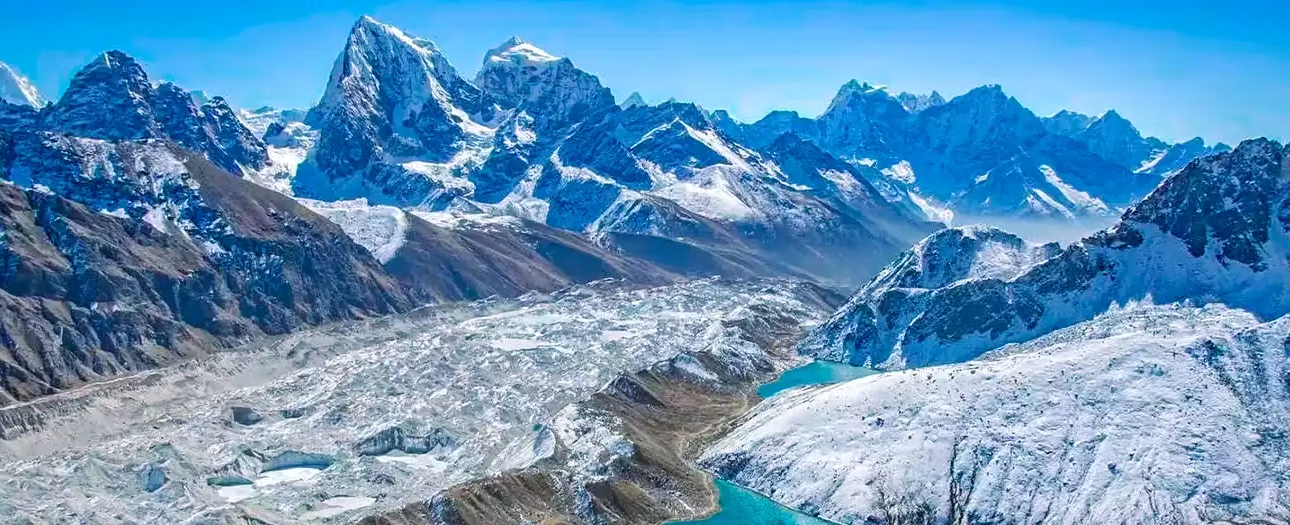
Explore the Legendary Everest Region – Journey to the Roof of the World
The Everest Region, also known as the Khumbu Region, is one of the most iconic trekking and mountaineering destinations in the world. Nestled in the northeastern Himalayas of Nepal, this remarkable region is home to Mount Everest (8,848.86 meters)—the highest mountain on Earth—and offers an unforgettable blend of breathtaking landscapes, rich Sherpa culture, ancient Buddhist traditions, and thrilling outdoor adventures.
For decades, travelers from every corner of the globe have dreamed of standing beneath the mighty Everest, watching the sunrise over snow-covered Himalayan peaks, and walking the same legendary trails once explored by famous mountaineers. Whether your goal is to complete the world-famous Everest Base Camp Trek, conquer a Himalayan trekking peak like Island Peak or Lobuche Peak, or take on the technical challenge of the Ama Dablam Expedition, the Everest Region promises an experience unlike any other.
At Nepal Tours Packages, we are passionate about creating extraordinary Himalayan journeys. With over 25 years of experience, our local team combines expert planning, experienced guides, professional Sherpa support, and carefully designed itineraries to ensure every trek or expedition is safe, enjoyable, and truly memorable. Whether you are a first-time trekker or a seasoned climber, we are here to help you achieve your Himalayan dreams.
Discover the Magic of the Everest Region
The Everest Region is much more than the home of the world’s tallest mountain. It is a land of towering glaciers, emerald valleys, rushing rivers, alpine forests, charming Sherpa villages, and centuries-old monasteries where colorful prayer flags flutter in the mountain breeze.
Every step along the trails reveals another breathtaking panorama. Suspension bridges draped with prayer flags cross deep river gorges, yaks transport supplies through remote mountain villages, and snow-capped peaks dominate the skyline in every direction. The crisp mountain air, peaceful surroundings, and welcoming smiles of local people create an atmosphere that leaves a lasting impression on every visitor.
Unlike many trekking destinations, the Everest Region offers a unique combination of adventure, natural beauty, and cultural immersion. It is a place where every day brings new discoveries, whether it’s sharing tea with a local family, hearing monks chant inside an ancient monastery, or witnessing the first rays of sunlight illuminate the summit of Mount Everest.
For many travelers, trekking in the Everest Region is not simply a holiday—it is a once-in-a-lifetime journey that inspires confidence, resilience, and a deep appreciation for the beauty of the Himalayas.
Why Choose the Everest Region for Your Himalayan Adventure?
The Everest Region consistently ranks among the world’s top trekking destinations, attracting thousands of visitors each year. While Nepal offers many incredible trekking routes, including Annapurna, Langtang, and Manaslu, Everest holds a special place in the hearts of adventurers because of its legendary status and extraordinary mountain scenery.
Here are just a few reasons why the Everest Region should be at the top of your travel list.
Home to the World’s Highest Mountain
There is something truly inspiring about trekking beneath Mount Everest, the tallest mountain on Earth. Even if you are not climbing the summit, simply seeing Everest with your own eyes is an unforgettable experience.
Along your journey, you’ll also enjoy spectacular views of many other famous Himalayan peaks, including:
- Mount Everest (8,848.86 m)
- Lhotse (8,516 m)
- Makalu (8,485 m)
- Cho Oyu (8,188 m)
- Ama Dablam (6,812 m)
- Nuptse (7,861 m)
- Pumori (7,161 m)
- Thamserku
- Kangtega
- Cholatse
- Taboche
Few places on Earth offer such an incredible concentration of towering Himalayan giants.
Walk Through Sagarmatha National Park
Most Everest treks take place within Sagarmatha National Park, Nepal’s first national park to receive UNESCO World Heritage Site status.
Covering over 1,100 square kilometers, the park protects one of the world’s most spectacular alpine environments. Its diverse landscapes range from lush pine and rhododendron forests to glaciers, icy rivers, rocky moraines, and snow-covered mountain passes.
The park is also home to a fascinating variety of wildlife, including:
- Himalayan Tahr
- Musk Deer
- Himalayan Monal (Nepal’s national bird)
- Blood Pheasant
- Snow Pigeon
- Himalayan Griffon Vulture
- Yellow-billed Chough
- Himalayan Black Bear (rare)
- Red Panda (extremely rare)
- Snow Leopard (very elusive)
Nature lovers and wildlife photographers will find endless opportunities to observe the unique biodiversity of the Himalayan ecosystem.
Experience Authentic Sherpa Culture
One of the most rewarding aspects of trekking in the Everest Region is the opportunity to experience the unique culture of the Sherpa people.
Known worldwide for their exceptional mountaineering skills and warm hospitality, the Sherpas have lived in the Himalayas for centuries. Their traditions, Buddhist beliefs, and close relationship with the mountains have shaped the identity of the Everest Region.
Throughout your trek, you’ll pass through traditional Sherpa villages such as:
- Lukla
- Phakding
- Namche Bazaar
- Khumjung
- Pangboche
- Dingboche
- Lobuche
Each village offers its own character, from bustling mountain markets to peaceful stone-built settlements surrounded by dramatic peaks.
Visitors can explore beautifully decorated monasteries, spin prayer wheels, admire ancient mani walls carved with Buddhist prayers, and witness local customs that have remained unchanged for generations.
The famous Tengboche Monastery, perched on a ridge with spectacular views of Ama Dablam and Everest, is one of the spiritual highlights of the journey and a place where trekkers often pause to reflect on the incredible adventure ahead.
Adventure for Every Experience Level
The Everest Region is not just for elite climbers. It offers adventures suitable for a wide range of fitness levels and travel styles.
Whether you’re looking for a scenic trekking holiday or an ambitious mountaineering expedition, there is an itinerary to match your goals.
Popular experiences include:
- Classic Everest Base Camp Trek
- Everest Base Camp Trek with Helicopter Return
- Gokyo Lakes Trek
- Gokyo Ri Trek
- Everest Three Passes Trek
- Everest Panorama Trek
- Luxury Everest Lodge Trek
- Island Peak Climbing
- Lobuche Peak Climbing
- Mera Peak Climbing
- Ama Dablam Expedition
- Everest Expedition for experienced mountaineers
From moderate trekking routes to highly technical climbing expeditions, the Everest Region truly has something for every adventurer.
Why Travel with Nepal Tours Packages?
Choosing the right trekking company is one of the most important decisions you’ll make when planning your Everest adventure. A well-organized trip not only enhances your experience but also ensures your safety in the high Himalayas.
At Nepal Tours Packages, we have spent more than two decades helping travelers discover the beauty of Nepal through professionally guided trekking and climbing adventures. Our commitment to quality service, local expertise, and responsible tourism has earned the trust of adventurers from around the world.
When you travel with us, you benefit from:
Local Himalayan Experts
As a Nepal-based company, we know the Everest Region inside and out. Our guides have extensive knowledge of the trails, weather, culture, and mountain environment, allowing us to provide authentic insights and seamless logistics throughout your journey.
Experienced Licensed Guides
All of our trekking guides are government-licensed, English-speaking professionals with years of experience leading groups in the Himalayas. For climbing expeditions, we work with highly skilled Sherpa climbing guides who have successfully summited many of Nepal’s highest peaks.
Carefully Planned Itineraries
High-altitude trekking requires thoughtful planning. Our itineraries are designed with proper acclimatization days to help your body adjust to the altitude while maximizing your enjoyment of the journey. We never rush the experience, giving you time to explore villages, enjoy the scenery, and travel safely.
Safety Comes First
Your well-being is our highest priority. We monitor your health throughout the trek, provide altitude awareness briefings, and have emergency evacuation procedures in place should they ever be needed. Our experienced team is trained to recognize the early signs of altitude sickness and respond appropriately.
Personalized Service
Every traveler is different, which is why we offer flexible and customizable trekking packages. Whether you’re traveling solo, as a couple, with family, or in a private group, we can tailor your itinerary to match your interests, fitness level, and schedule.
Sustainable and Responsible Tourism
We are committed to preserving the natural beauty and cultural heritage of the Everest Region. We support local communities by employing local guides and porters, staying in family-run tea houses, and encouraging environmentally responsible trekking practices.
By choosing Nepal Tours Packages, you are not only embarking on an incredible adventure—you are also contributing to the sustainable development of Nepal’s mountain communities.
What Makes the Everest Region Truly Special?
Many travelers arrive in Nepal expecting magnificent mountain views, but they leave with something even more valuable: unforgettable memories and a profound connection to the Himalayas.
The Everest Region is a place where every sunrise feels magical, every mountain trail tells a story, and every village welcomes you with genuine hospitality. It challenges your body, refreshes your mind, and rewards your efforts with experiences that few destinations in the world can match.
Whether you dream of reaching Everest Base Camp, climbing a Himalayan peak, or simply immersing yourself in the beauty of the Khumbu Valley, your adventure begins here.
In the following sections, you’ll discover our most popular Everest treks and expeditions, learn about the best times to visit, understand the permits and preparation required, and find everything you need to plan the journey of a lifetime.
Featured Everest Region Treks & Expeditions
The Everest Region offers an incredible variety of trekking and climbing experiences, ranging from scenic short treks suitable for beginners to demanding high-altitude expeditions for experienced mountaineers. Every journey showcases the spectacular landscapes, welcoming Sherpa culture, and breathtaking mountain panoramas that have made the Khumbu Region one of the world’s premier adventure destinations.
Whether you want to stand at the foot of Mount Everest, trek to pristine glacial lakes, or climb one of Nepal’s famous trekking peaks, Nepal Tours Packages has an itinerary designed to match your adventure goals.
Everest Base Camp Trek (12 Days)
The Everest Base Camp Trek is Nepal’s most famous trekking adventure and one of the greatest hiking experiences anywhere in the world. This unforgettable journey takes you through the heart of the Khumbu Valley, where you’ll walk beneath towering Himalayan peaks, cross dramatic suspension bridges, visit centuries-old monasteries, and experience the warm hospitality of the Sherpa people.
The adventure begins with one of the world’s most scenic mountain flights to Lukla before following the Dudh Koshi River through picturesque villages and forests. As you gradually ascend, you’ll spend time acclimatizing in Namche Bazaar, the vibrant commercial center of the Everest Region, before continuing towards Tengboche, Dingboche, Lobuche, Gorakshep, and finally Everest Base Camp.
Standing at Everest Base Camp, surrounded by towering glaciers and some of the world’s highest mountains, is an emotional and unforgettable achievement. The trek also includes an early morning climb to Kala Patthar (5,545 m), widely regarded as the best viewpoint for panoramic views of Mount Everest.
Trip Highlights
- Scenic mountain flight to Lukla
- Explore lively Namche Bazaar
- Visit the famous Tengboche Monastery
- Trek through Sagarmatha National Park
- Reach Everest Base Camp (5,364 m)
- Sunrise hike to Kala Patthar
- Incredible views of Everest, Lhotse, Nuptse, Ama Dablam, and Pumori
- Experience authentic Sherpa culture
- Stay in traditional mountain tea houses
Duration: 12 Days
Maximum Altitude: 5,545 meters
Difficulty: Moderate to Challenging
Best For: First-time trekkers, nature lovers, photographers, and adventure seekers looking to experience the world’s most famous trekking route.
Everest Base Camp Trek with Helicopter Return
If you’re looking for the classic Everest Base Camp experience with added comfort and spectacular aerial views, the Everest Base Camp Trek with Helicopter Return is an excellent option.
Instead of retracing your steps back to Lukla, you’ll enjoy an unforgettable helicopter flight from Gorakshep or Pheriche, soaring above glaciers, mountain villages, and the dramatic Khumbu landscape before returning to Kathmandu.
This option saves several days of trekking while offering a once-in-a-lifetime bird’s-eye view of the Himalayas.
Highlights
- Classic Everest Base Camp Trek
- Kala Patthar sunrise
- Scenic helicopter return
- Magnificent aerial photography opportunities
- Reduced trekking days
- Greater comfort after reaching base camp
Gokyo Lakes Trek
For travelers seeking a quieter alternative to Everest Base Camp, the Gokyo Lakes Trek offers stunning scenery and fewer crowds.
This remarkable journey leads you through the beautiful Gokyo Valley to a series of brilliant turquoise glacial lakes nestled beneath towering Himalayan peaks. One of the major highlights is climbing Gokyo Ri (5,357 m), which offers one of the finest panoramic viewpoints in the Everest Region.
Many experienced trekkers believe the view from Gokyo Ri surpasses even Kala Patthar.
Highlights
- Beautiful glacial lakes
- Gokyo Ri viewpoint
- Ngozumpa Glacier, the largest glacier in Nepal
- Peaceful trekking trails
- Excellent mountain photography
- Sherpa villages and monasteries
Difficulty: Moderate
Everest Three Passes Trek
For experienced trekkers seeking the ultimate Himalayan challenge, the Everest Three Passes Trek is considered one of Nepal’s greatest trekking adventures.
This demanding route crosses three spectacular high mountain passes:
- Kongma La (5,535 m)
- Cho La (5,420 m)
- Renjo La (5,360 m)
Along the way, trekkers visit Everest Base Camp, Kala Patthar, Gokyo Lakes, and numerous Sherpa villages while enjoying some of the finest mountain scenery anywhere in the Himalayas.
This trek is physically demanding but incredibly rewarding.
Island Peak Climbing (6,189 m)
Island Peak, officially known as Imja Tse, is Nepal’s most popular trekking peak and serves as the perfect introduction to Himalayan mountaineering.
After completing much of the Everest Base Camp trekking route, climbers receive basic mountaineering instruction before attempting the summit using crampons, fixed ropes, harnesses, and ice axes under the guidance of experienced climbing Sherpas.
Reaching the summit rewards climbers with magnificent panoramic views of Everest, Lhotse, Makalu, and Ama Dablam.
Trip Highlights
- Everest Base Camp included
- Glacier travel
- Basic mountaineering training
- Summit at 6,189 meters
- Professional climbing guides
- Spectacular Himalayan panorama
Duration: Approximately 18 Days
Difficulty: Challenging
Ideal For: Adventurous trekkers ready to take their first step into high-altitude climbing.
Lobuche Peak Climbing (6,119 m)
Lobuche East Peak offers a more technical climbing experience than Island Peak and is highly regarded among aspiring mountaineers.
The climb combines trekking to Everest Base Camp with a rewarding summit attempt that involves rock scrambling, glacier travel, and fixed rope climbing. The summit provides breathtaking 360-degree views across the Everest Region.
Highlights
- Technical alpine climbing
- Everest Base Camp Trek included
- Glacier crossing
- Spectacular summit panorama
- Professional Sherpa support
- Comprehensive climbing instruction
Duration: Approximately 19 Days
Difficulty: Challenging to Technical
Ama Dablam Expedition (6,812 m)
Known as the “Matterhorn of the Himalayas,” Ama Dablam is one of the world’s most beautiful mountains and one of Nepal’s premier technical climbing objectives.
Its elegant pyramid shape dominates the Khumbu skyline, making it instantly recognizable to trekkers throughout the Everest Region.
The expedition involves multiple climbing camps, fixed ropes, steep rock faces, snow ridges, and ice climbing. Although shorter than Everest expeditions, Ama Dablam requires solid mountaineering experience and excellent physical conditioning.
Expedition Highlights
- World-class technical climbing
- Professional expedition logistics
- Experienced Sherpa climbing team
- High-altitude camps
- Spectacular Himalayan scenery
- Prestigious climbing achievement
Duration: Approximately 30 Days
Difficulty: Technical Expedition
Suitable For: Experienced climbers with previous alpine and high-altitude mountaineering experience.
Best Time to Trek in the Everest Region
Choosing the right season can greatly enhance your trekking experience. Although the Everest Region is accessible throughout much of the year, each season offers different weather conditions, scenery, and trekking experiences.
Spring (March to May)
Spring is one of the best times to visit the Everest Region.
The weather is generally stable, temperatures are comfortable, and the hillsides burst into color as rhododendron forests bloom. Longer daylight hours and relatively calm conditions also make this the preferred season for climbing expeditions.
Spring is ideal for:
- Everest Base Camp Trek
- Island Peak Climbing
- Lobuche Peak Climbing
- Everest expeditions
- Ama Dablam training climbs
Average daytime temperatures range from 10°C to 20°C at lower elevations, while higher elevations remain below freezing during the night.
Autumn (September to November)
Autumn is widely regarded as the finest trekking season in Nepal.
Following the summer monsoon, the skies become exceptionally clear, providing crisp mountain views and comfortable hiking conditions. Trails are lively with trekkers from around the world, creating a vibrant atmosphere in mountain villages.
Autumn offers:
- Crystal-clear mountain panoramas
- Stable weather
- Pleasant daytime temperatures
- Excellent photography conditions
- Reliable flight schedules
Winter (December to February)
Winter trekking offers peaceful trails, dramatic snowy landscapes, and fewer visitors.
Although temperatures can become extremely cold at higher elevations, experienced trekkers who are well-prepared can enjoy an unforgettable Himalayan experience with unmatched tranquility.
Monsoon (June to August)
The Everest Region receives less rainfall than many parts of Nepal due to its location in the Himalayan rain shadow.
While trekking remains possible, clouds, occasional rain, and weather-related flight delays to Lukla should be expected.
Accommodation During Your Trek
One of the unique aspects of trekking in the Everest Region is the opportunity to stay in traditional Himalayan tea houses.
Tea houses are family-operated mountain lodges that provide comfortable accommodation and freshly prepared meals. Facilities improve steadily every year, and many villages now offer modern amenities that surprise first-time visitors.
Typical accommodation includes:
- Twin-sharing bedrooms
- Comfortable mattresses
- Warm dining rooms with central heating
- Shared bathrooms
- Charging stations
- Wi-Fi access (additional fee in some villages)
- Hot showers (available in many villages)
During major expeditions, accommodation changes to fully equipped camping supported by an experienced expedition crew.
Food and Dining
Despite the remote location, trekkers are often surprised by the wide variety of food available in the Everest Region.
Most tea houses serve freshly prepared meals using locally sourced ingredients whenever possible.
Popular dishes include:
- Dal Bhat (Nepal’s traditional meal)
- Fried rice
- Vegetable curry
- Sherpa stew
- Noodles
- Pasta
- Momos (dumplings)
- Soups
- Pancakes
- Eggs
- Fresh bakery items
- Tea and coffee
- Hot chocolate
Dal Bhat is especially popular among trekkers because it provides excellent nutrition and unlimited refills at many tea houses.
Maintaining proper hydration throughout the trek is equally important, and guides encourage guests to drink at least three to four liters of water daily while at higher elevations.
Permits Required
To protect the fragile Himalayan environment and support local conservation efforts, all trekkers must obtain the necessary permits before entering the Everest Region.
Depending on your itinerary, these may include:
- Sagarmatha National Park Entry Permit
- Khumbu Pasang Lhamu Rural Municipality Permit
- Nepal Mountaineering Association Peak Permit (for climbing trips)
- Expedition permits issued by the Government of Nepal for technical climbs
When you book with Nepal Tours Packages, we arrange all required permits on your behalf, allowing you to focus entirely on enjoying your adventure.
Transportation to the Everest Region
Reaching the Everest Region is an adventure in itself. Most trekking itineraries begin with a scenic mountain flight from Kathmandu or Ramechhap to Lukla (Tenzing-Hillary Airport), one of the world’s most famous airports. The short flight offers spectacular aerial views of snow-capped peaks, deep valleys, and traditional mountain villages, making it an unforgettable start to your Himalayan journey.
During the peak trekking seasons of spring and autumn, many flights operate from Ramechhap due to heavy air traffic at Kathmandu Airport. Our team arranges all domestic flights and airport transfers, ensuring a smooth and hassle-free travel experience.
For travelers who prefer to avoid flying, it is also possible to begin the trek by driving to Salleri or Phaplu and trekking into the Khumbu Valley, although this option adds several days to the itinerary.
No matter which route you choose, our experienced team carefully coordinates all transportation and logistics so you can focus on enjoying your adventure.
Altitude & Acclimatization
One of the most important aspects of trekking in the Everest Region is adapting safely to the increasing altitude. As you climb higher into the Himalayas, the air becomes thinner and contains less oxygen, making proper acclimatization essential for a safe and enjoyable journey.
Our itineraries are specifically designed to allow your body sufficient time to adjust. Rest days in key locations such as Namche Bazaar and Dingboche greatly reduce the risk of altitude sickness while also providing opportunities to explore the surrounding area.
Our experienced guides closely monitor every trekker throughout the journey and provide advice on hydration, nutrition, and pacing. We strongly encourage all trekkers to walk slowly, drink plenty of water, avoid alcohol at high altitude, and communicate any symptoms immediately.
Common symptoms of altitude sickness may include:
- Headache
- Fatigue
- Loss of appetite
- Difficulty sleeping
- Nausea
- Dizziness
- Shortness of breath
If necessary, our guides are trained to arrange immediate descent or emergency helicopter evacuation. Your safety is always our highest priority.
Essential Packing List
Packing wisely will make your Everest adventure more comfortable and enjoyable. Weather conditions can change quickly in the Himalayas, so preparing for both warm sunshine and freezing temperatures is essential.
Clothing
- Waterproof trekking jacket
- Down jacket
- Thermal base layers
- Fleece jacket
- Trekking trousers
- Waterproof pants
- Warm hat
- Sun hat
- Neck buff
- Gloves
- Warm socks
- Comfortable trekking boots
- Camp shoes or sandals
Equipment
- Sleeping bag (rated for sub-zero temperatures)
- Trekking poles
- Day backpack
- Duffel bag
- Headlamp with spare batteries
- Sunglasses with UV protection
- Water bottles or hydration bladder
- Water purification tablets or filter
Personal Items
- Sunscreen (SPF 50+)
- Lip balm
- Toiletries
- Personal medications
- Basic first-aid kit
- Camera
- Power bank
- Passport and travel insurance documents
- Snacks and energy bars
If you don’t have all the necessary equipment, many trekking items can be rented or purchased in Kathmandu before your trek begins.
Responsible & Sustainable Trekking
The Everest Region is one of Nepal’s greatest natural treasures, and preserving its beauty is a shared responsibility.
At Nepal Tours Packages, we are committed to promoting responsible tourism that benefits both local communities and the environment.
We encourage our guests to:
- Carry reusable water bottles.
- Avoid single-use plastics whenever possible.
- Dispose of waste responsibly.
- Respect local customs and religious traditions.
- Dress modestly when visiting monasteries.
- Ask permission before photographing local people.
- Support locally owned tea houses and businesses.
- Stay on designated trekking trails.
- Minimize environmental impact.
By trekking responsibly, you help preserve the Everest Region for future generations while contributing to the local economy.
Photography in the Everest Region
The Everest Region is a paradise for photographers. Every day presents new opportunities to capture dramatic mountain landscapes, colorful monasteries, vibrant Sherpa culture, and unforgettable Himalayan sunrises.
Some of the most photogenic locations include:
- Lukla Airport
- Namche Bazaar
- Everest View Hotel
- Tengboche Monastery
- Ama Dablam viewpoints
- Dingboche Valley
- Khumbu Glacier
- Everest Base Camp
- Kala Patthar
- Gokyo Lakes
- Gokyo Ri
- Cho La Pass
- Renjo La Pass
Sunrise and sunset provide the best lighting conditions, with golden light illuminating Everest, Lhotse, Nuptse, and Ama Dablam.
Whether you’re using a smartphone or professional camera equipment, you’ll return home with incredible memories captured forever.
Who Can Join an Everest Trek?
Many people assume trekking in the Everest Region is only for elite athletes, but that isn’t the case.
With proper preparation, determination, and a well-planned itinerary, many healthy individuals successfully complete Everest Base Camp each year.
Our Everest adventures are suitable for:
- Solo travelers
- Couples
- Friends
- Families with older children
- Student groups
- Corporate groups
- Photography enthusiasts
- Adventure travelers
- Experienced hikers
- First-time Himalayan trekkers
Peak climbing and technical expeditions require higher fitness levels and previous mountaineering experience, but our classic trekking itineraries are achievable for anyone who is physically active and willing to prepare before arrival.
Frequently Asked Questions
How difficult is the Everest Base Camp Trek?
The Everest Base Camp Trek is considered moderately challenging. Although no technical climbing is required, trekkers should be prepared to walk between 5 and 8 hours each day while gaining elevation gradually.
What is the highest point of the trek?
The highest point on the classic Everest Base Camp Trek is Kala Patthar (5,545 meters), which offers the best panoramic views of Mount Everest.
Do I need previous trekking experience?
Previous trekking experience is helpful but not essential. Many first-time trekkers successfully complete the Everest Base Camp Trek with proper preparation and guidance.
How fit do I need to be?
Good overall fitness is recommended. Regular walking, hiking, cycling, or cardiovascular exercise before your trip will help prepare your body for the demands of high-altitude trekking.
Is travel insurance required?
Yes. Comprehensive travel insurance that covers high-altitude trekking and emergency helicopter evacuation is strongly recommended for all Everest Region adventures.
Are guides mandatory?
While some routes allow independent trekking under current regulations, hiring a licensed guide significantly enhances your safety, navigation, cultural experience, and overall enjoyment.
Are porters available?
Yes. Porters can carry the majority of your luggage, allowing you to enjoy the trek with only a lightweight daypack.
Is Wi-Fi available?
Many tea houses provide Wi-Fi services for an additional fee. Connection speeds vary depending on location and weather conditions.
Can I charge my electronics?
Yes. Most tea houses offer charging facilities for phones, cameras, and other electronic devices, although a small fee may apply at higher elevations.
Is drinking water safe?
Tap water should not be consumed without treatment. We recommend using purified water, boiled water, or water purification tablets throughout the trek.
What currency should I carry?
Nepalese Rupees are recommended for purchases in the Everest Region. While some larger villages may accept cards, cash remains the most reliable payment method.
What temperatures should I expect?
Temperatures vary depending on season and altitude. Daytime temperatures may range from 10°C to 20°C at lower elevations, while nighttime temperatures near Everest Base Camp can fall well below freezing.
Can vegetarians or vegans trek comfortably?
Yes. Most tea houses offer vegetarian meals, and many also provide vegan-friendly options. Please inform us of any dietary requirements before your trek.
Is altitude sickness guaranteed?
No. Everyone responds differently to altitude. Our carefully planned itineraries, acclimatization days, and experienced guides greatly reduce the risk.
What makes the Everest Region different from other trekking regions?
The Everest Region combines the world’s highest mountain, rich Sherpa culture, UNESCO-listed Sagarmatha National Park, historic monasteries, and some of the most spectacular Himalayan scenery found anywhere on Earth.
Begin Your Everest Adventure with Nepal Tours Packages
The Everest Region is far more than a trekking destination—it’s a place of dreams, inspiration, and unforgettable achievements. Every trail leads to breathtaking mountain vistas, every village shares a story of Sherpa culture and resilience, and every step brings you closer to one of the most extraordinary landscapes on the planet.
Whether your ambition is to stand proudly at Everest Base Camp, witness sunrise over Mount Everest from Kala Patthar, explore the turquoise waters of Gokyo Lakes, climb Island Peak, or challenge yourself on the technical slopes of Ama Dablam, our experienced team is dedicated to making your journey safe, enjoyable, and truly unforgettable.
At Nepal Tours Packages, we combine local expertise, professional guides, personalized service, and more than 25 years of Himalayan travel experience to deliver exceptional trekking and expedition experiences. From your first inquiry to your final farewell, we are committed to providing reliable support, carefully planned itineraries, and authentic adventures that exceed your expectations.
Browse our collection of Everest Region Treks & Expeditions, compare itineraries, and choose the adventure that best suits your interests, fitness level, and travel goals. Whether you are traveling solo, with family, or as part of a private group, we can customize your journey to create the Himalayan experience you’ve always imagined.
Contact Nepal Tours Packages today to start planning your Everest adventure. Let us help you discover the beauty of the Khumbu Region, experience the warmth of Sherpa hospitality, and create memories that will last a lifetime. The mountains are waiting—your journey begins here.