

Summary
This comprehensive guide explores the best beginner-friendly trekking routes in Nepal for travellers with no previous trekking experience. Discover easy and short Himalayan treks such as Poon Hill, Dhampus and Australian Camp, along with scenic hikes near Kathmandu and Pokhara. Compare trekking duration, altitude, difficulty, fitness requirements and the best seasons to visit. The article also covers preparation, safety, accommodation and essential trekking tips, helping first-time visitors choose the right route. Learn how Nepal Tours Packages can arrange private, tailor-made trekking holidays with experienced local guides and personalized support.
Have you always dreamed of walking through the Himalayas, seeing snow-covered mountains, exploring traditional mountain villages and experiencing the beauty of Nepal on foot, but wondered best route for Nepal Trekking Without Experience?
The good news is that you do not need to be an experienced trekker to enjoy the Himalayas in Nepal. Nepal offers a wonderful variety of short and relatively easy trekking routes, scenic village walks and gentle hiking adventures suitable for first-time trekkers. With the right route, a comfortable pace and the support of an experienced local guide, even someone who has never trekked before can enjoy a rewarding Himalayan experience.
From the beautiful foothills of the Annapurna region to the peaceful trails around Kathmandu and Pokhara, there are several excellent options for travellers who want to experience mountain scenery without committing to a demanding high-altitude expedition.
At Nepal Tours Packages, we specialize in private and tailor-made trekking holidays. We understand that every traveller has a different level of fitness, available time and personal expectations. Rather than recommending the same itinerary to everyone, we help you choose a route that matches your ability and allows you to enjoy the journey comfortably.
In this guide, we explain the best beginner-friendly trekking routes in Nepal, how difficult they are, how much preparation you need, the best seasons to visit and how to choose the right trek for your first Himalayan adventure.
Can You Go Trekking in Nepal Without Previous Experience?
Absolutely! Previous trekking experience is not essential for many of Nepal’s shorter and lower-altitude trekking routes.
However, it is important to understand that trekking in the Himalayas is different from ordinary sightseeing. Even an easy trek involves several hours of walking, uphill and downhill trails, stone steps and changing weather conditions. You should be comfortable walking for a few hours each day and prepared for basic mountain accommodation.
The most important decision is choosing the right trekking route.
For someone trekking for the first time, we generally recommend starting with a short route in the Annapurna foothills or a scenic hiking experience around Kathmandu or Pokhara. These options offer beautiful landscapes, local culture and mountain views without the physical demands of a long high-altitude expedition.
You do not need to climb mountains or carry heavy equipment. With a private guide and porter support, you can enjoy the experience at your own pace.
Best Beginner-Friendly Treks in Nepal – Exploring Nepal Trekking Without Experience
Nepal has many trekking possibilities, but not every route is equally suitable for a first-time trekker. Below are some of the best options to consider.
1. Ghorepani Poon Hill Trek – Best Short Himalayan Trek for Beginners
Duration: 4–5 trekking days
Highest altitude: 3,210 metres
Difficulty: Easy to moderate
Region: Annapurna
Starting point: Pokhara
The Ghorepani Poon Hill Trek is one of the most popular short trekking experiences in Nepal. It is an excellent introduction to Himalayan trekking for travellers who want beautiful mountain scenery, traditional villages and a memorable sunrise without undertaking a long expedition.
The trail passes through beautiful forests, terraced farmland and traditional Gurung and Magar settlements. You will experience local mountain hospitality and enjoy spectacular views of the Annapurna and Dhaulagiri ranges.
The highlight is the early morning walk to Poon Hill at 3,210 metres. From this famous viewpoint, you can witness the first sunlight illuminating the Himalayan peaks, including Annapurna South, Dhaulagiri, Machhapuchhre and Nilgiri.
Although the trek is suitable for beginners with reasonable fitness, there are uphill sections and numerous stone steps, particularly around Ulleri. It should not be considered an effortless walk.
Why we recommend Poon Hill for first-time trekkers:
- Relatively short trekking duration.
- Beautiful mountain views throughout the journey.
- Comfortable local teahouse accommodation.
- Opportunities to experience traditional Himalayan villages.
- No technical climbing skills required.
- Can be arranged as a private trek with a flexible walking pace.
If you have limited time in Nepal and want a genuine Himalayan trekking experience, Poon Hill is one of the best choices.
Explore our 4 Days Poon Hill Trek from Pokhara for itinerary details and trekking arrangements.
2. Dhampus Village Trek – A Gentle Introduction to Himalayan Walking
Duration: 1–2 days
Highest altitude: Approximately 1,650 metres
Difficulty: Easy
Region: Annapurna foothills
Starting point: Pokhara
If you are completely new to trekking and prefer a gentle introduction, the Dhampus Village walk is an excellent option.
Located above Pokhara, Dhampus is a beautiful traditional Gurung village surrounded by terraced fields and impressive Himalayan scenery. The walking trails pass through peaceful settlements, stone-paved paths and green hillsides.
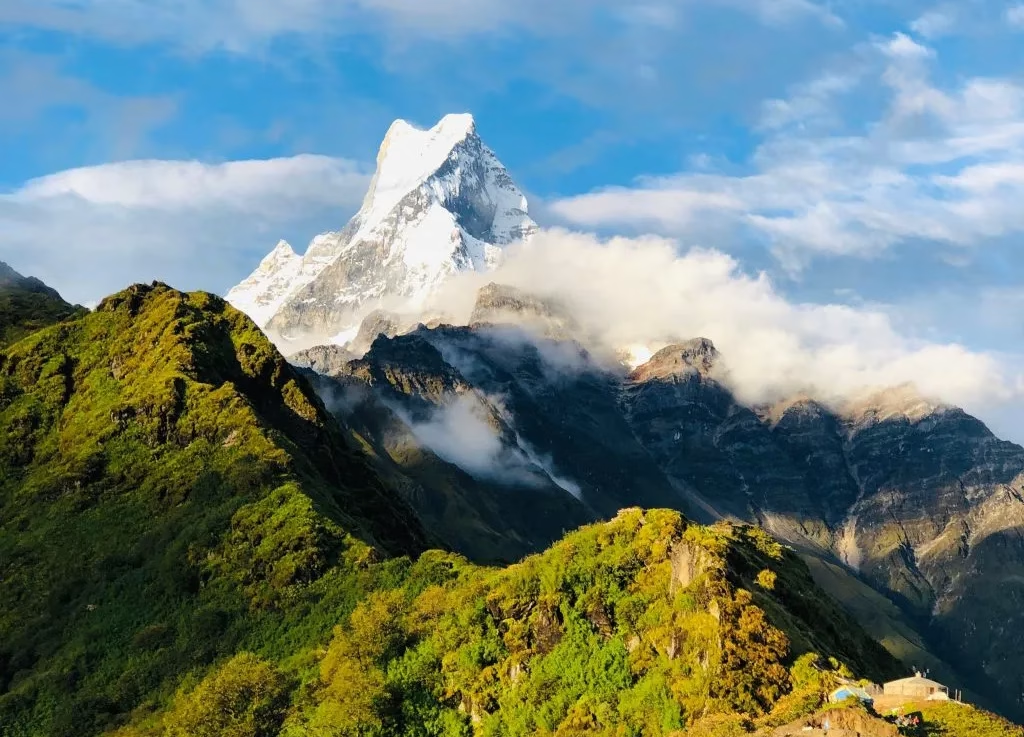
One of the biggest attractions is the mountain panorama. On a clear day, you can enjoy wonderful views of Machhapuchhre (Fishtail), Annapurna South and the surrounding mountains.
The route is relatively short and can be adjusted according to your walking ability. You can spend a night in a local lodge or return to Pokhara after your walk, depending on your preference.
Why choose Dhampus?
- Suitable for first-time walkers.
- Lower altitude than many popular Himalayan treks.
- Short walking duration.
- Excellent mountain scenery.
- Opportunities to experience Gurung village life.
- Easy to combine with a Pokhara holiday.
Dhampus is particularly suitable for families, couples and travellers who want to enjoy the countryside without committing to several days of strenuous walking.
3. Australian Camp Trek – Best for Short Mountain Views
Duration: 2 days
Highest altitude: Approximately 2,060 metres
Difficulty: Easy to moderate
Region: Annapurna foothills
Starting point: Pokhara
Australian Camp is another excellent option for travellers looking for a short Himalayan adventure.
The journey usually begins with a drive from Pokhara to Kande, followed by a scenic walk through forests, small settlements and hillside trails. After reaching Australian Camp, you can enjoy beautiful panoramic views of the Annapurna range and Machhapuchhre.
The area is particularly attractive at sunrise and sunset, when the mountains appear golden under changing light.
The trek can be combined with Dhampus Village, creating a rewarding two-day walking experience with mountain views, local culture and comfortable lodge accommodation.
Why Australian Camp is suitable for beginners:
- Short duration.
- Relatively low altitude.
- Beautiful Himalayan viewpoints.
- Comfortable mountain lodges.
- No technical trekking experience required.
- Convenient access from Pokhara.
For travellers who want a taste of Himalayan trekking without spending a week on the trail, Australian Camp is a very good choice.
You can explore more short walking experiences on our Hiking in Nepal page.
4. Nagarkot to Changunarayan Hike – Best Hiking Experience Near Kathmandu
Duration: Approximately 4–5 hours of walking
Highest altitude: Around 2,175 metres at Nagarkot
Difficulty: Easy
Region: Kathmandu Valley
You do not have to travel far from Kathmandu to enjoy the natural beauty of Nepal.
The Nagarkot to Changunarayan hike is a wonderful day-walking experience through countryside landscapes, traditional villages and terraced farmland. Nagarkot is famous for its Himalayan sunrise and panoramic mountain views, while Changunarayan is home to an ancient temple recognized as a UNESCO World Heritage Site.
The trail is a combination of countryside paths, village roads and gentle sections through the hills.
This hike is ideal for travellers who want to experience Nepal’s rural lifestyle and natural scenery without staying overnight in mountain lodges.
Why choose this hike?
- Convenient access from Kathmandu.
- No previous trekking experience required.
- Suitable for travellers with limited time.
- Beautiful countryside and village scenery.
- Can be combined with Kathmandu sightseeing and Bhaktapur.
It is particularly suitable for travellers who want to include a little outdoor activity in a cultural holiday.
5. Shivapuri National Park Hike – A Nature Escape Near Kathmandu
Duration: Half day to full day
Difficulty: Easy to moderate, depending on the route
Region: Kathmandu Valley
Shivapuri National Park offers another wonderful opportunity to enjoy nature without travelling to a remote trekking region.
Located north of Kathmandu, the park has forest trails, beautiful natural surroundings and peaceful walking routes. Depending on the route selected, you can explore oak, pine and rhododendron forests, enjoy birdwatching and discover monasteries and viewpoints.
Some routes involve a considerable uphill walk, so the duration and difficulty should be selected according to your fitness level.
For first-time hikers, a shorter route with a comfortable walking pace is recommended.
Highlights include:
- Forest walking and fresh mountain air.
- Beautiful natural surroundings.
- Birdwatching opportunities.
- Views of the Kathmandu Valley and surrounding hills.
- Convenient access from the city.
This is a good option for travellers who want a day in nature before or after their Nepal tour.
6. Langtang Valley Trek – For Active Beginners Looking for a Longer Adventure
Duration: Approximately 7–10 days
Highest altitude: Around 4,773 metres at Kyanjin Ri, if included
Difficulty: Moderate
Region: Langtang
If you are reasonably fit and interested in a longer Himalayan experience, the Langtang Valley Trek may be worth considering.
Located north of Kathmandu, Langtang is known for its beautiful mountain scenery, traditional Tamang villages, Buddhist culture, forests and spectacular views of snow-covered peaks.
The trail leads through Langtang National Park and gradually climbs towards Kyanjin Gompa, a beautiful mountain settlement surrounded by impressive Himalayan landscapes.
Unlike the short foothills hikes, Langtang involves several consecutive days of walking and reaches a considerably higher altitude. Therefore, it is not the first choice for someone with very limited fitness or no preparation.
However, a traveller who regularly walks, has reasonable stamina and is willing to prepare can enjoy this route with a carefully designed itinerary and proper acclimatization.
Why consider Langtang?
- Beautiful Himalayan scenery.
- Traditional Tamang culture and villages.
- A longer and more immersive trekking experience.
- Mountain lodges along the route.
- Accessible from Kathmandu by road.
Discover more about our Trekking in Nepal options, including the Langtang region.
7. Mardi Himal Trek – For Fit Beginners Wanting a More Adventurous Experience
Duration: Approximately 5–7 trekking days
Highest altitude: Around 4,500 metres at Mardi Himal Base Camp, depending on the itinerary
Difficulty: Moderate to challenging
Region: Annapurna
Mardi Himal is a beautiful trekking route in the Annapurna region, famous for its ridge trails and close-up views of Machhapuchhre and the Annapurna range.
The route passes through forests, mountain lodges and exposed ridgelines, gradually gaining altitude. Its scenery is spectacular, especially around High Camp and the upper viewpoints.
Although the trek is relatively short compared with many Himalayan expeditions, it should not automatically be considered an easy beginner trek. The steep sections, altitude and changing weather can make it demanding.
For a first-time trekker, we would recommend Mardi Himal only if you are physically active, comfortable with several hours of walking and prepared for a more challenging mountain experience.
It is a good option for fit beginners who want something more adventurous than Poon Hill or Australian Camp.
8. Everest View Trek – Experience the Everest Region Without Going to Base Camp
Duration: Approximately 7–9 days
Difficulty: Easy to moderate in terms of walking, but with significant altitude considerations
Region: Everest / Khumbu
For travellers dreaming of seeing Mount Everest but not ready for the full Everest Base Camp trek, an Everest View itinerary can be an attractive alternative.
The journey takes you into the Khumbu region, where you can experience Sherpa culture, traditional mountain villages, Buddhist monasteries and impressive Himalayan scenery.
Depending on the itinerary, the trek may include Namche Bazaar and viewpoints overlooking Mount Everest and surrounding peaks.
However, the Everest region is at a much higher altitude than the Annapurna foothills. Even a shorter itinerary can involve altitude-related risks, so proper acclimatization and a suitable walking schedule are essential.
This route is better suited to active beginners who are prepared for high-altitude travel rather than someone looking for an easy first walk.
For a first Himalayan trek, we generally suggest starting with a lower-altitude option unless visiting the Everest region is your main priority.
Comparison of the Best Beginner Treks in Nepal
Choosing the right route is easier when you compare the duration, altitude and level of physical effort.
| Trekking route | Duration | Highest point | Difficulty |
|---|---|---|---|
| Dhampus Village | 1–2 days | Approx. 1,650m | Easy |
| Australian Camp | 2 days | Approx. 2,060m | Easy–Moderate |
| Nagarkot–Changunarayan | 1 day | Approx. 2,175m | Easy |
| Shivapuri Hike | Half–1 day | Route dependent | Easy–Moderate |
| Poon Hill | 4–5 days | 3,210m | Easy–Moderate |
| Langtang Valley | 7–10 days | Route dependent | Moderate |
| Mardi Himal | 5–7 days | Route dependent | Moderate–Challenging |
| Everest View | 7–9 days | Route dependent | Easy–Moderate walking, high altitude |
Altitude and duration vary according to the exact itinerary and optional viewpoints. Difficulty descriptions are general guidance, not a guarantee of suitability for every traveller.
Which Trek Should You Choose for Your First Visit to Nepal?
The best trek depends on your fitness, available time, travel interests and how much walking you enjoy.
Here are our general recommendations:
If you have never trekked before: Choose Dhampus or Australian Camp. These short walks are excellent introductions to the Himalayan foothills.
If you want a classic Himalayan experience: Choose Poon Hill. It offers beautiful mountain views, traditional villages and a memorable sunrise experience.
If you have only one day available: Choose Nagarkot–Changunarayan or a suitable Shivapuri route.
If you are reasonably fit and want a longer trek: Consider Langtang Valley with proper acclimatization and preparation.
If you want a more adventurous route: Mardi Himal may be suitable if you have good fitness and are comfortable with higher-altitude walking.
If you dream of seeing Mount Everest: Consider a carefully designed Everest View itinerary, understanding that the altitude makes it more demanding than a short foothills trek.
Our advice is simple: choose a trek that allows you to enjoy the experience rather than selecting a route only because it is famous.
How Fit Do You Need to Be for Trekking in Nepal?
You do not need to be an athlete to enjoy a beginner-friendly trek in Nepal. However, a reasonable level of general fitness will make your experience much more comfortable.
If you can walk for 60–90 minutes on ordinary terrain without difficulty, you have a useful starting point for preparing for a short trek. For routes involving several consecutive days of walking, you should gradually build your stamina.
We recommend beginning your preparation around four to six weeks before departure, if possible.
Simple Training Plan for First-Time Trekkers
1. Regular walking
Start with 30–45 minutes of walking and gradually increase the duration. Include some uphill and downhill walking if possible.
2. Stair climbing
Many Himalayan trails include stone steps. Practising on stairs can help prepare your legs for uphill and downhill sections.
3. Strength exercises
Simple exercises such as squats, step-ups and gentle lunges can help strengthen your legs.
4. Cardiovascular exercise
Cycling, swimming and brisk walking can improve your general stamina.
5. Practise with your daypack
Try walking with a light backpack similar to the one you will carry during your trek.
You do not need an intensive gym programme. Consistency and gradual preparation are more important.
Is Trekking in Nepal Safe for Beginners?
Yes, many beginner-friendly routes can be enjoyed safely with sensible preparation and appropriate local support.
However, safety depends on choosing a suitable route, understanding the altitude, following your guide’s advice and being prepared for changing mountain conditions.
Here are some important points to consider:
Choose the Right Trekking Route
Do not select a route simply because it is popular. Your first trek should match your fitness and available time.
Walk at a Comfortable Pace
There is no need to rush. A steady pace with regular breaks makes walking more enjoyable and helps you manage physical effort.
Allow Time for Acclimatization
Altitude is an important consideration in Nepal. Even physically fit travellers can experience altitude sickness.
For higher-altitude treks, itineraries should include appropriate acclimatization days and gradual ascent. Never ignore symptoms such as headache, nausea, dizziness or unusual tiredness. Tell your guide immediately if you feel unwell.
If symptoms worsen, descending is often necessary. Severe symptoms require urgent medical attention.
Travel with an Experienced Local Guide
A knowledgeable guide helps with navigation, daily walking arrangements, local communication, accommodation and understanding the culture along the trail.
For beginners, a private guide also makes it easier to adjust the walking pace and take breaks whenever needed.
Check Weather and Trail Conditions
Mountain weather can change quickly. Your itinerary should allow flexibility, especially in higher-altitude areas.
What Accommodation Can You Expect During a Beginner Trek?
Most popular trekking routes in Nepal have local teahouses and mountain lodges.
These are generally simple but welcoming accommodations, offering a place to sleep, meals and an opportunity to experience local hospitality.
Depending on the route, you may find:
- Twin-sharing or private rooms, subject to availability.
- Dining areas with heating in some lodges.
- Freshly prepared local and international meals.
- Shared or private bathrooms, depending on the lodge.
- Hot showers and charging facilities, sometimes at an additional cost.
Accommodation becomes more basic as you travel into remote and higher-altitude areas.
For travellers who prefer greater comfort, we can discuss routes with better lodge facilities or design a shorter trekking experience combined with comfortable hotels in Kathmandu and Pokhara.
What Should You Pack for Your First Trek in Nepal?
You do not need to purchase expensive mountaineering equipment for an easy trek. However, comfortable and suitable clothing is important.
Here is a basic packing list:
- Comfortable and well-fitted trekking shoes.
- Lightweight walking trousers.
- Moisture-wicking T-shirts and base layers.
- Warm fleece or insulated jacket.
- Waterproof jacket and trousers.
- Comfortable socks.
- Sun hat and warm hat.
- Sunglasses and sunscreen.
- Reusable water bottle.
- Small daypack.
- Personal medication and basic first-aid items.
- Headlamp or small torch.
- Personal toiletries.
For colder seasons or higher-altitude treks, additional warm clothing and a suitable sleeping bag may be necessary.
If you do not have all the equipment, some trekking items can be rented or arranged in Kathmandu and Pokhara.
Best Time for Beginner Trekking in Nepal
Nepal offers trekking opportunities throughout much of the year, but spring and autumn are generally the most popular seasons.
Spring: March to May
Spring is one of the best seasons for trekking in Nepal. Temperatures are generally pleasant, rhododendron forests bloom and the lower Himalayan trails become especially beautiful.
It is an excellent time for Poon Hill, Australian Camp, Dhampus and other Annapurna foothill routes.
Autumn: September to November
Autumn is another excellent trekking season. Following the monsoon, skies often become clearer, mountain visibility improves and daytime walking conditions are generally comfortable.
This is a particularly popular period for first-time trekkers.
Winter: December to February
Winter can be a good time for lower-altitude hikes and short treks around Kathmandu and Pokhara. The trails are often quieter, although mornings and evenings can be cold.
For higher routes, snow and cold weather may affect accessibility and comfort.
Monsoon: June to August
The monsoon brings heavy rainfall to many parts of Nepal. Trails can become slippery, and leeches, clouds and landslides may affect the experience.
Some rain-shadow areas may still offer trekking possibilities, but the route and weather conditions should be assessed carefully before planning.
Can You Combine Trekking with a Nepal Holiday?
Absolutely. In fact, combining a short trek with cultural sightseeing and leisure activities is one of the best ways to experience Nepal, particularly for first-time visitors.
You do not need to spend your entire holiday trekking. You can explore Kathmandu’s heritage sites, enjoy the lakeside atmosphere of Pokhara, visit Chitwan National Park and include a few days of walking in the Annapurna foothills.
For example, an itinerary could include:
- Kathmandu: Explore temples, heritage sites and local culture.
- Pokhara: Enjoy Phewa Lake, mountain views and relaxed sightseeing.
- Australian Camp or Dhampus: Experience a short Himalayan walk.
- Chitwan: Enjoy wildlife activities and local Tharu culture.
Travellers with more time can consider a longer Poon Hill trek or another suitable trekking route.
Explore our Nepal Adventure Tour Package – 14 Days for an example of combining cultural sightseeing, wildlife experiences and the Annapurna trekking region.
You can also explore our Nepal trekking packages to compare different trekking experiences.
Why Choose a Private Trek for Your First Himalayan Experience?
For first-time trekkers, a private trekking arrangement can make a significant difference.
Unlike a fixed group departure, a private trek allows the itinerary to be planned around your own fitness, interests, travel dates and preferred pace.
At Nepal Tours Packages, we focus on tailor-made private trekking arrangements supported by experienced local guides and a dedicated operations team.
Some advantages include:
Flexible walking pace: Your guide can adjust the pace and breaks according to your comfort.
Personal attention: You receive more direct support and guidance throughout the journey.
Suitable route selection: We help you choose a trek based on your actual fitness and experience rather than simply recommending a popular itinerary.
Flexible itinerary: Where practical, walking days and overnight stops can be adjusted to suit your requirements.
Local knowledge: Our team understands the trails, mountain lodges, local communities and practical arrangements involved in trekking in Nepal.
Porter support: A porter can be arranged if you prefer not to carry your main luggage. Our usual porter arrangement is one porter for two trekkers, with a combined luggage allowance generally limited to around 20–22 kg, subject to the specific trek arrangements.
We believe that your first Himalayan experience should be enjoyable, well-organized and memorable.
Common Mistakes First-Time Trekkers Should Avoid
Before setting off on your first trek, keep these points in mind:
- Choosing a trek that is too difficult: Do not assume that a short trek is always easy. Check the daily walking hours, elevation gain and highest altitude.
- Underestimating uphill walking: Stone steps and continuous climbs can be tiring, even on popular beginner routes.
- Wearing new shoes: Always try your trekking shoes before travelling to avoid blisters.
- Walking too quickly: Maintain a comfortable pace and take regular breaks.
- Ignoring altitude symptoms: Inform your guide immediately if you feel unwell.
- Packing too much: Carry only what you need for the trek.
- Not allowing enough time: Avoid planning a tight schedule immediately after a high-altitude trek.
A little preparation and realistic planning can make a significant difference to your experience.
Frequently Asked Questions About Trekking in Nepal Without Experience
1. Can I go trekking in Nepal if I have never trekked before?
Yes. Nepal has several short and beginner-friendly routes, including Dhampus, Australian Camp and Poon Hill. You should choose a trek according to your fitness and allow enough time to walk comfortably.
2. What is the easiest trek in Nepal for beginners?
Dhampus Village and Australian Camp are among the gentler short walking experiences in the Annapurna foothills. For a more complete Himalayan trekking experience, Poon Hill is a popular choice, although it involves more uphill walking and reaches 3,210 metres.
3. Is Poon Hill suitable for first-time trekkers?
Yes. Poon Hill is suitable for many first-time trekkers with reasonable fitness. However, the route includes uphill sections and stone staircases, so some preparation is recommended.
4. Can I trek in Nepal without a guide?
Trekking regulations and guide requirements vary by region and route. Many popular trekking areas have requirements for licensed guides, and restricted areas have additional rules. We recommend checking the latest requirements before departure. Travelling with an experienced local guide is particularly helpful for beginners.
5. How many days do I need for a beginner trek in Nepal?
You can enjoy a short hike in one or two days, such as Dhampus or Australian Camp. Poon Hill generally requires around four to five trekking days. Longer routes such as Langtang require more time and preparation.
6. Do I need to be physically fit for trekking in Nepal?
You do not need to be an athlete, but reasonable fitness is important. Regular walking, stair climbing and simple strength exercises before departure will help you enjoy your trek.
7. Is trekking in Nepal suitable for families?
Yes. Several short and lower-altitude hiking routes are suitable for families, depending on the ages, fitness and interests of the participants. Dhampus, Australian Camp and selected day hikes can be good options. For families with young children, we recommend carefully adjusting the walking duration and altitude.
8. Can senior travellers go trekking in Nepal?
Yes, many senior travellers enjoy short hikes and lower-altitude trekking experiences. The best route depends on individual mobility, fitness and health. A relaxed private itinerary with suitable accommodation and regular breaks can make the experience more comfortable.
9. What is the best month for beginner trekking in Nepal?
March to May and September to November are generally the best seasons for beginner trekking. December to February can also be suitable for lower-altitude routes, although temperatures are colder.
10. Can I combine a short trek with a Nepal cultural tour?
Absolutely. You can combine Kathmandu sightseeing, Pokhara, Chitwan and a short Annapurna foothills trek in one tailor-made holiday. This is an excellent way to experience Nepal without spending your entire trip on trekking trails.
11. Is Everest Base Camp suitable for someone without trekking experience?
Previous trekking experience is helpful but not essential. However, Everest Base Camp is a demanding high-altitude trek involving many consecutive days of walking and significant altitude gain. It is not the route we would normally recommend as a first choice for someone with limited fitness or no preparation. A suitable training programme, gradual acclimatization and a carefully planned itinerary are essential.
12. Can Nepal Tours Packages arrange a private beginner trek?
Yes. We specialize in private and tailor-made trekking arrangements. We can recommend a route based on your fitness, travel dates, available time, accommodation preferences and interests. Our local team can arrange experienced guides, transportation, permits, accommodation and porter support as required.
Start Your First Himalayan Trek with Confidence
You do not need to be an experienced mountaineer to enjoy the beauty of the Himalayas. Nepal offers wonderful opportunities for first-time trekkers, from peaceful village walks and short Annapurna foothill adventures to longer Himalayan journeys for active travellers.
The key is choosing the right route, preparing sensibly and travelling at a comfortable pace.
Whether you are interested in the famous sunrise at Poon Hill, the beautiful villages of Dhampus, the mountain views from Australian Camp or a longer adventure in Langtang, our local team can help you plan an experience that suits your expectations.
At Nepal Tours Packages, we specialize in private, tailor-made Nepal holidays and trekking arrangements. With more than 25 years of experience in Himalayan travel, we understand that every traveller is different. We take the time to understand your requirements and recommend an itinerary that balances mountain scenery, local culture, comfort and the right level of physical activity.
Ready to experience the Himalayas for the first time? Contact Nepal Tours Packages today for a personalized trekking recommendation and a tailor-made quotation. Tell us your travel dates, group size and fitness level, and let our local experts help you choose the best beginner-friendly trek in Nepal.
Explore all Nepal trekking packages or contact our team to start planning your first Himalayan adventure.
About the Author
Kishor Nepal – Co-Founder & Holiday Expert, Nepal Bhutan & Tibet
Kishor Nepal is a local travel expert with more than 25 years of experience in Nepal’s tourism industry. As Co-Founder of Nepal Tours Packages, he specializes in designing private, tailor-made holidays, cultural journeys and Himalayan trekking experiences across Nepal, Bhutan and Tibet. His practical knowledge of local destinations and trekking arrangements helps travellers choose experiences that match their interests, comfort and fitness levels.
