

Summary
This blog explains 25 essential things Americans should know before visiting Nepal to help first-time travelers prepare for a safe, comfortable, and enjoyable trip.
Main points covered:
U.S. citizens can get a Visa on Arrival in Kathmandu.
There are no direct flights from the USA to Nepal, so travelers must connect through cities such as Doha, Dubai, or Istanbul.
Nepal uses the Nepalese Rupee (NPR), and carrying cash is important.
Visitors should avoid drinking tap water and use bottled or filtered water instead.
Tipping is customary for guides, drivers, and other tourism staff.
Nepal is generally safe for tourists, but normal precautions against petty theft are recommended.
Travelers should respect Hindu and Buddhist customs, including removing shoes before entering temples.
A local SIM card is easy to buy at Kathmandu Airport.
Travel insurance is strongly recommended, especially if trekking or taking domestic mountain flights.
The blog also includes advice on altitude, transportation, packing, weather, electricity, budgeting, and cultural etiquette.
Best time to visit: October–November and March–April for clear Himalayan views and pleasant weather.
Recommended first-time itinerary: Kathmandu → Nagarkot → Bandipur → Pokhara → Chitwan → Kathmandu over 10–12 days.
Overall, the article provides a practical first-time visitor guide for Americans planning a Nepal tour, covering everything from visas and flights to money, health, safety, culture, and travel planning.
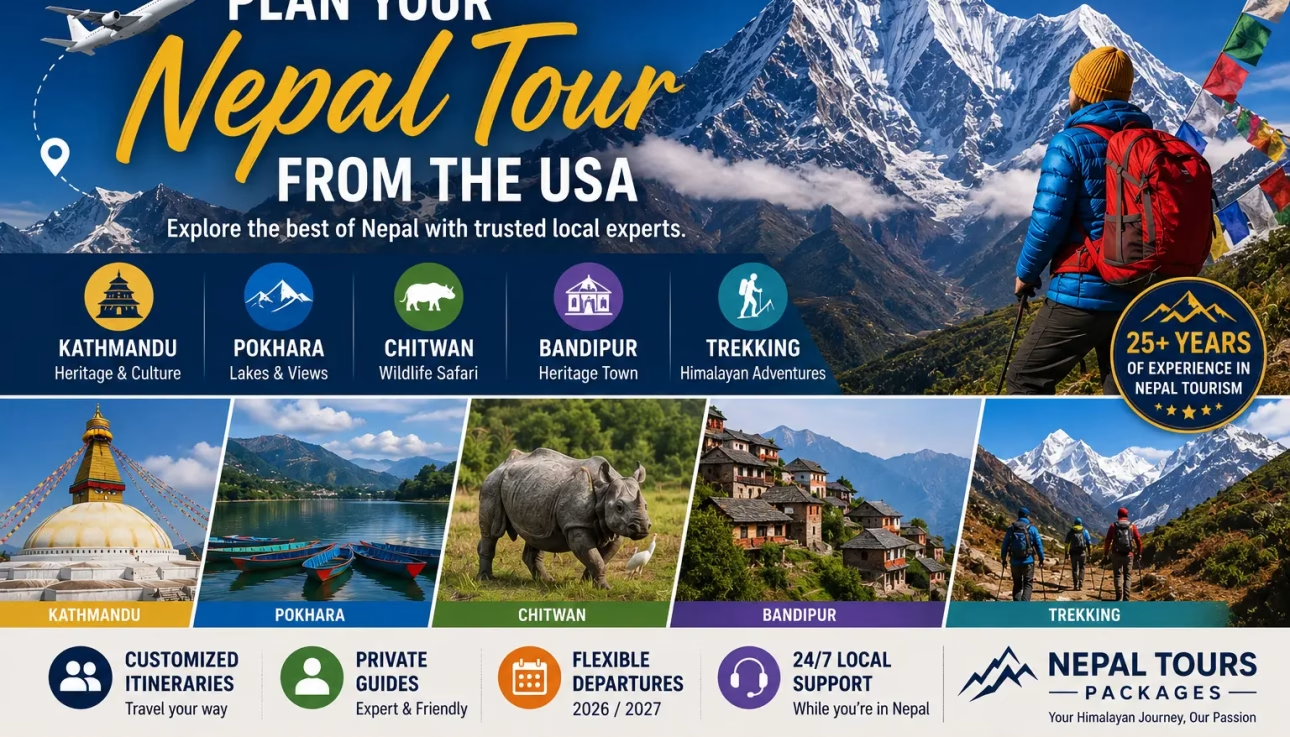
Nepal is one of the most fascinating destinations in the world for American travelers. From the snow-capped Himalayas and ancient temples of Kathmandu to the lakes of Pokhara and the wildlife of Chitwan National Park, Nepal offers an incredible mix of culture, adventure, nature, and hospitality.
However, Nepal is very different from the United States. Roads are slower, local customs are more traditional, and travel logistics require a bit more flexibility than many Americans are used to.
If this is your first trip, this guide covers the 25 most important things Americans should know before visiting Nepal so you can travel with confidence and avoid common surprises.
Why Americans Love Nepal
Before diving into the practical tips, it helps to understand why Nepal has become increasingly popular among U.S. travelers:
- Mount Everest and the Himalayas
- UNESCO World Heritage Sites
- Affordable private tours
- Friendly English-speaking tourism industry
- Excellent trekking opportunities
- Unique Hindu and Buddhist culture
- Wildlife safaris with rhinos and Bengal tigers
For many Americans, Nepal delivers a once-in-a-lifetime experience at a much lower cost than many European or North American adventure destinations.
1. Americans Need a Visa for Nepal
U.S. citizens do need a tourist visa, but the good news is that Nepal offers a Visa on Arrival at Tribhuvan International Airport (KTM) in Kathmandu.
Bring:
- Passport valid for at least 6 months
- One blank passport page
- Passport-sized photo (digital kiosks are usually available)
- Visa fee in U.S. dollars cash if possible
Tourist Visa Fees
| Duration | Fee |
|---|---|
| 15 Days | $30 |
| 30 Days | $50 |
| 90 Days | $125 |
For most visitors, the 30-day visa is the best option because it provides flexibility if flights change.
2. There Are No Direct Flights from the USA to Nepal
This is often the biggest surprise for American travelers.
You will need at least one international connection, usually through:
- Doha (Qatar Airways)
- Dubai (Emirates)
- Istanbul (Turkish Airlines)
- Abu Dhabi (Etihad Airways)
Best Overall Option
Qatar Airways via Doha is widely considered the smoothest and most reliable route for travelers heading to Kathmandu.
Typical Travel Time
- East Coast: 22–25 hours
- Midwest: 23–27 hours
- West Coast: 24–28 hours
Plan your first day in Nepal as a light sightseeing or rest day rather than scheduling major activities immediately after arrival.
3. Kathmandu Is at Higher Elevation Than Many U.S. Cities
Kathmandu sits at about 4,593 feet (1,400 m) above sea level.
While this is not extreme altitude, travelers coming from places such as New York, Chicago, Houston, or Miami may notice:
- Slight shortness of breath on stairs
- Mild headache
- Fatigue after the long flight
- Difficulty sleeping the first night
Drink plenty of water and avoid excessive alcohol during your first 24 hours.
4. Nepal’s Roads Are Slower Than American Roads
Distances in Nepal can be deceptive.
Realistic Driving Times
| Route | Approximate Time |
| Kathmandu → Nagarkot | 1.5–2.5 hrs |
| Kathmandu → Pokhara | 6–8 hrs |
| Kathmandu → Chitwan | 5–7 hrs |
| Pokhara → Bandipur | 2.5–3.5 hrs |
Mountain roads, traffic, construction, and weather all affect travel times. Patience is essential.
5. Cash Is Still Very Important
Nepal uses the Nepalese Rupee (NPR).
Although larger hotels and restaurants accept credit cards, many local businesses operate on a cash basis.
Good Rule of Thumb
Carry NPR 10,000–20,000 ($75–150) in cash for daily expenses, snacks, tips, taxis, and small purchases.
ATMs are widely available in Kathmandu and Pokhara, but they may charge withdrawal fees.
6. Don’t Drink Tap Water
Even in good hotels, Americans should avoid drinking tap water.
Safe Options
- Sealed bottled water
- Boiled water
- Water purified with a reliable filter or purification tablets
Also be cautious with:
- Ice cubes
- Fresh juices from street vendors
- Raw salads in basic local eateries
This simple precaution can prevent the most common travel problem: stomach illness.
7. Tipping Is Expected in the Tourism Industry
Tipping is not legally required, but it is customary and appreciated.
Suggested Amounts
| Service | Suggested Tip |
| Restaurant | 5–10% |
| Driver (full day) | $5–10 |
| City guide | $10–20 |
| Trekking guide | $15–25/day |
| Porter | $10–15/day |
For private tours, guides and drivers often provide very personalized service, so tipping is considered part of responsible travel.
8. Nepal Is Generally Safe for American Tourists – Main point Americans Should Know Before Visiting Nepal
Nepal is considered one of the safer countries in South Asia for foreign visitors.
Basic Precautions
- Keep valuables secure in crowded areas
- Use hotel safes when available
- Avoid displaying large amounts of cash
- Use registered taxis or transportation arranged by your tour company
The main tourist district of Thamel is usually lively and safe, though petty theft can occur in crowded markets.
9. Respect Religious Customs
Nepal is deeply influenced by both Hinduism and Buddhism.
Important Etiquette
- Remove shoes before entering temples or monasteries
- Dress modestly (cover shoulders and knees)
- Ask permission before photographing monks or worshippers
- Walk clockwise around stupas and prayer wheels
- Avoid touching religious statues
Showing respect for local traditions creates much warmer interactions with local people.
10. English Is Widely Spoken in Tourist Areas
Americans rarely face serious communication problems in:
- Hotels
- Restaurants
- Tour companies
- Trekking lodges
- Domestic airports
Learning a few Nepali phrases is appreciated:
| English | Nepali |
| Hello | Namaste |
| Thank you | Dhanyabad |
| Yes | Ho |
| No | Hoina |
A friendly “Namaste” goes a long way in Nepal.
11. Buy a Local SIM Card at the Airport
After a 24-hour journey, having mobile data immediately is extremely useful.
Main Providers
- Ncell
- Nepal Telecom (NTC)
A tourist SIM with 10–20 GB of data is inexpensive and usually sufficient for:
- Google Maps
- Social media
- Ride-hailing apps where available
12. Power Outlets Are Different
Nepal uses:
- 230V electricity
- Plug types C, D, and M
Most modern U.S. phone and laptop chargers support 100–240V, so you usually need only a plug adapter, not a voltage converter.
13. Domestic Flights Can Be Delayed
If your itinerary includes Pokhara, Lukla, Jomsom, or mountain flights, understand that weather delays are normal in Nepal.
Smart Planning
- Keep one buffer day before your international departure
- Avoid booking a domestic flight on the same day as your flight back to the USA
- Purchase travel insurance that covers flight disruptions
This is especially important during the monsoon season (June–September).
14. Travel Insurance Is Essential
Medical care in Kathmandu is generally adequate for many routine issues, but emergency evacuation from remote mountain areas can be extremely expensive.
Your Policy Should Cover
- Emergency medical treatment
- Hospitalization
- Medical evacuation
- Trip interruption
- Lost baggage
- Trekking activities (if applicable)
Do not assume your U.S. health insurance will provide sufficient international coverage.
15. Nepal Is Much More Affordable Than Most Americans Expect
Typical Mid-Range Daily Costs
| Item | Approximate Cost |
| Hotel | $40–80 |
| Restaurant meals | $10–25 |
| Private vehicle with driver | $60–120 |
| Domestic flight | $80–150 |
| Local coffee | $1–3 |
A comfortable 10–12 day private Nepal tour often costs $2,000–3,500 including hotels, guide, transport, and many activities, excluding international airfare.
16. The Sun Is Stronger Than You Think
Even when temperatures feel cool, UV exposure is intense because of the higher elevation and thinner atmosphere.
Pack:
- SPF 30+ sunscreen
- Sunglasses
- Wide-brim hat
- Lip balm with SPF
Many Americans get sunburned in Pokhara or Nagarkot despite moderate temperatures.
17. Motion Sickness Is Common
Mountain roads have frequent curves and elevation changes.
If you are sensitive to winding roads, bring:
- Dramamine or your preferred motion-sickness medication
- Ginger chews or tablets
- A reusable water bottle
This is particularly helpful for the Kathmandu–Pokhara drive.
18. Nepal Runs on “Flexible Time”
Things may not happen with the same precision as in the United States.
You may encounter:
- Restaurant service that takes longer than expected
- Traffic-related delays
- Last-minute schedule adjustments
- Weather-related transportation changes
Approaching Nepal with flexibility rather than strict minute-by-minute expectations will make your trip much more enjoyable.
19. Dress in Layers
Nepal has dramatic temperature differences between morning and afternoon.
Example: Kathmandu in October
| Time | Typical Temperature |
| Early Morning | 50–55°F |
| Afternoon | 72–78°F |
| Evening | 58–64°F |
A lightweight layering system works much better than one heavy jacket.
20. The Best Time to Visit Is October–November
Best Overall Months
- October
- November
These months offer:
- Clear Himalayan views
- Pleasant temperatures
- Low rainfall
- Excellent conditions for both tours and trekking
Also Excellent
- March
- April (rhododendron bloom season)
For first-time American visitors, late October is hard to beat.
21. Early Mornings Are Important
Himalayan views are usually clearest in the morning.
Popular sunrise spots include:
- Nagarkot
- Sarangkot
- Peace Pagoda (Pokhara)
- Dhampus viewpoint
Plan mountain-view activities for sunrise or early morning, not late afternoon.
22. A First-Time Nepal Itinerary Should Not Be Too Rushed
Many Americans try to include Kathmandu, Pokhara, Chitwan, Lumbini, and a trek in one week.
A better first-trip itinerary is:
Recommended 11-Day Route
- Kathmandu – 3 nights
- Nagarkot – 1 night
- Bandipur – 1 night
- Pokhara – 3 nights
- Chitwan – 2 nights
- Kathmandu – 1 night
This provides a much more relaxed and enjoyable pace.
23. Pack Light but Smart
Essential Packing List
- Passport and copies
- Lightweight layers
- Fleece or light down jacket
- Comfortable walking shoes
- Universal plug adapter
- Reusable water bottle
- Personal medications
- Sunscreen and insect repellent
- Small daypack
- Rain jacket (especially May–September)
You do not need heavy expedition gear for a standard cultural tour.
24. Americans Often Underestimate How Friendly Nepalese People Are
One of the highlights of Nepal is the genuine warmth of local people.
You may find that:
- Shopkeepers want to chat
- Guides share personal stories about their villages
- Hotel staff remember your name
- Strangers offer help with directions
A respectful and curious attitude is usually rewarded with wonderful cultural interactions.
25. The Most Important Tip: Slow Down and Enjoy Nepal
Nepal is not just a destination to check off a list. The country is best experienced through:
- Watching sunrise over the Himalayas
- Drinking tea with local people
- Exploring ancient courtyards in Bhaktapur
- Boating on Phewa Lake
- Listening to temple bells at dusk
- Spending an extra hour enjoying the mountain scenery
Travelers who slow down often leave Nepal with far richer memories than those who try to see everything in one trip.
Quick Summary: The 10 Most Essential Things to Remember
If you remember only ten things, make them these:
- Get a Visa on Arrival
- Book a reliable one-stop flight
- Carry some Nepalese Rupees
- Drink only safe water
- Allow extra time for road travel
- Respect temple customs
- Buy a local SIM card
- Purchase comprehensive travel insurance
- Keep a buffer day for domestic flights
- Stay flexible and patient
Final Thoughts
For American travelers, Nepal offers an extraordinary combination of Himalayan landscapes, ancient culture, wildlife, spirituality, and adventure that is difficult to find anywhere else in the world.
The key to a successful trip is understanding that Nepal operates differently from the United States. With a little preparation—especially regarding visas, flights, money, health precautions, and transportation expectations—your journey can be remarkably smooth and rewarding.
Whether you are planning a Kathmandu and Pokhara cultural tour, a Chitwan wildlife safari, or a longer Himalayan adventure, these 25 practical tips will help you experience Nepal with greater confidence, comfort, and appreciation for this remarkable Himalayan country.
Planning your first Nepal trip from the USA? Choose a trusted local Nepal tour operator who can arrange airport transfers, hotels, private guides, domestic transportation, and personalized support throughout your journey.
Contact Nepal Tours Packages now for customize tours.
