

Summary
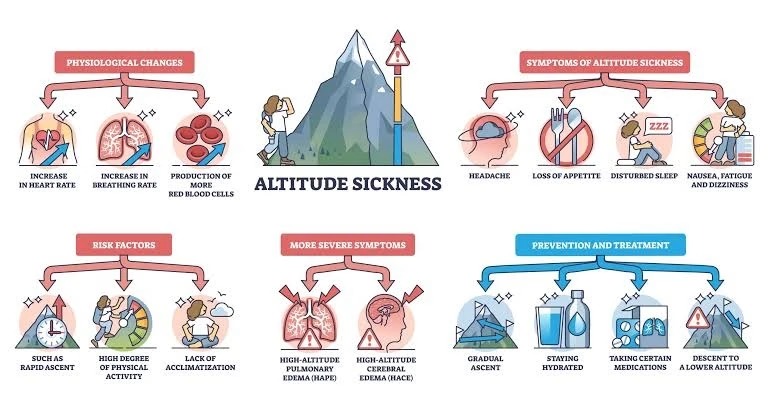
This comprehensive high-altitude travel guide highlights Altitude Sickness / Acute Mountain Sickness (AMS) as a critical health risk for adventurers ascending above 2,500 meters, driven primarily by hypoxia (reduced oxygen availability) from rapid ascents, lack of acclimatization, dehydration, and overexertion. It outlines the progression of symptoms from mild indicators like headaches and nausea to life-threatening clinical emergencies like HAPE (fluid in the lungs) and HACE (fluid in the brain). To effectively manage and mitigate these risks during popular Himalayan treks, the text strongly advocates for preventative strategies—including gradual elevation gains, scheduled rest days, aggressive hydration, and prophylactic medications like Diamox (Acetazolamide)—emphasizing that physical fitness does not grant immunity and immediate descent is mandatory if severe symptoms manifest.
Altitude sickness is one of the most important health concerns for travelers, trekkers, climbers, and adventurers visiting high-altitude destinations. Whether you are planning an Everest Base Camp Trek in Nepal, an Annapurna Base Camp Trek, a climb of Mount Kilimanjaro, or a skiing trip in the Rocky Mountains, understanding altitude sickness can help you stay safe and enjoy your journey.
Every year, thousands of travelers experience altitude sickness when ascending to elevations above 2,500 meters (8,000 feet). While most cases are mild and manageable, severe forms can become life-threatening if ignored. Fortunately, with proper preparation, acclimatization, and awareness, altitude sickness can often be prevented.
This comprehensive guide explains everything you need to know about altitude sickness, including its causes, symptoms, prevention methods, treatment options, medications, and practical tips for high-altitude travel.
What Is Altitude-related illness?
Altitude sickness, medically known as Acute Mountain Sickness (AMS), occurs when your body struggles to adapt to lower oxygen levels at higher elevations. As you climb higher, air pressure decreases and less oxygen becomes available with each breath.
The human body needs time to adjust to these changing conditions. When ascent is too rapid, the body may not acclimatize properly, leading to Altitude-related illness symptoms.
Altitude sickness commonly affects travelers above 2,500 meters (8,000 feet), although some individuals may experience symptoms at lower elevations while others remain symptom-free at much higher altitudes.
There are three primary forms of altitude illness:
Acute Mountain Sickness (AMS)
This is the most common and mildest form of altitude sickness. Symptoms usually include headache, fatigue, dizziness, nausea, and difficulty sleeping.
High Altitude Pulmonary Edema (HAPE)
HAPE occurs when fluid accumulates in the lungs due to high-altitude exposure. It is a serious medical emergency requiring immediate descent and treatment.
High Altitude Cerebral Edema (HACE)
HACE develops when fluid accumulates in the brain. This condition can rapidly become fatal if not treated immediately.
Understanding these forms of Altitude-related illness is essential for anyone planning a high-altitude adventure.
What Causes Altitude Sickness?
The primary cause of altitude sickness is reduced oxygen availability at higher elevations.
At sea level, oxygen is abundant and easily absorbed into the bloodstream. As elevation increases, atmospheric pressure decreases, making it harder for oxygen to enter the body.
Several factors increase the likelihood of developing altitude sickness:
Rapid Ascent
Climbing too quickly is the most common cause of sickness.
Lack of Acclimatization
Skipping acclimatization days prevents the body from adapting properly.
Dehydration
Insufficient fluid intake can worsen altitude sickness symptoms.
Physical Overexertion
Pushing yourself too hard during the first few days at altitude increases risk.
Alcohol Consumption
Alcohol affects breathing patterns and interferes with acclimatization.
Individual Susceptibility
Fitness level does not guarantee protection. Even experienced athletes can develop altitude sickness.
Common Altitude Sickness Symptoms
Recognizing Altitude-related illness symptoms early can prevent serious complications.
Mild Symptoms
Most people initially experience mild symptoms such as:
- Headache
- Fatigue
- Dizziness
- Loss of appetite
- Nausea
- Difficulty sleeping
- Mild shortness of breath
- Reduced energy levels
These symptoms often resemble dehydration, jet lag, or a mild flu.
Moderate Symptoms
If sickness worsens, symptoms may include:
- Persistent headache
- Vomiting
- Severe fatigue
- Difficulty walking
- Increased shortness of breath
- Poor coordination
Severe Symptoms
Severe altitude sickness can become life-threatening.
Warning signs include:
- Confusion
- Hallucinations
- Blue lips or fingernails
- Persistent cough
- Chest congestion
- Difficulty breathing while resting
- Loss of consciousness
Immediate descent is critical when severe symptoms occur.
How to Prevent Altitude Sickness
Prevention is the most effective strategy for avoiding Altitude-related illness.
Ascend Gradually
Climb slowly and allow your body adequate time to adapt.
Experts recommend limiting sleeping elevation gains once above 3,000 meters.
Schedule Acclimatization Days
Rest days are essential during treks such as Everest Base Camp and Annapurna Base Camp.
Acclimatization days help your body adjust to decreasing oxygen levels.
Stay Hydrated
Drink plenty of water throughout your journey.
Hydration supports circulation and helps reduce symptoms.
Eat Properly
Consume nutritious meals rich in carbohydrates.
High-energy foods help your body perform efficiently at altitude.
Avoid Alcohol and Smoking
Both interfere with oxygen delivery and acclimatization.
Listen to Your Body
Never ignore symptoms.
Rest immediately if symptoms begin to develop.
Altitude-related illness Prevention During Trekking in Nepal
Nepal is home to some of the world’s most spectacular trekking routes.
Popular high-altitude treks include:
- Everest Base Camp Trek
- Annapurna Base Camp Trek
- Manaslu Circuit Trek
- Langtang Valley Trek
- Gokyo Lakes Trek
Due to the significant elevations reached during these adventures, altitude sickness prevention should be a top priority.
Nepal Tours Packages designs trekking itineraries with proper acclimatization days, gradual altitude gain, and experienced guides who monitor trekkers throughout the journey.
Everest Base Camp Mountain sickness
The Everest Base Camp Trek reaches approximately 5,364 meters (17,598 feet).
At this elevation, oxygen levels are significantly lower than at sea level.
To reduce the risk of sickness during the Everest Base Camp Trek:
- Follow your guide’s recommendations
- Take acclimatization days seriously
- Stay hydrated
- Avoid rushing
- Get adequate rest
Many trekkers successfully complete the journey by following these simple guidelines.
Annapurna Base Camp Altitude
Although lower than Everest Base Camp, Annapurna Base Camp reaches approximately 4,130 meters.
Altitude sickness remains a concern, especially for trekkers ascending too quickly.
A gradual pace and proper hydration significantly reduce risks.
Manaslu Circuit Trek and Sickness
The Manaslu Circuit Trek crosses the famous Larkya La Pass at approximately 5,106 meters.
Proper acclimatization is essential due to the remote nature of this trek.
Trekkers should be aware of symptoms and communicate openly with guides.
Langtang Valley Trek and Altitude Sickness
The Langtang Valley Trek is considered one of Nepal’s best moderate-altitude adventures.
Although lower than Everest and Manaslu, Mountain sickness can still occur.
Gradual ascent remains important throughout the trek.
Altitude Sickness Treatment
The appropriate treatment depends on symptom severity.
Mild Sickness Treatment
For mild AMS:
- Stop ascending
- Rest
- Hydrate
- Eat nutritious foods
- Monitor symptoms
Many cases improve within 24 to 48 hours.
Moderate Sickness Treatment
If symptoms worsen:
- Descend to a lower altitude
- Seek medical advice
- Consider medication such as Diamox
Severe Altitude Sickness Treatment
Severe Mountain sickness requires:
- Immediate descent
- Supplemental oxygen
- Emergency medical care
- Portable hyperbaric chambers when available
Never attempt to continue ascending with severe symptoms.
Best Medication for Mountain sickness
Several medications may help prevent or manage altitude sickness.
Diamox (Acetazolamide)
Diamox is widely considered the most effective medication for Mountain sickness prevention.
Benefits include:
- Faster acclimatization
- Reduced AMS symptoms
- Improved breathing during sleep
Ibuprofen
Anti-Nausea Medication
Ibuprofen may help relieve headaches associated with Mountain sickness.
Can help manage nausea and vomiting symptoms.
Always consult a healthcare professional before taking medication.
Altitude Sickness vs Dehydration
Altitude sickness and dehydration share similar symptoms.
Common overlapping symptoms include:
- Headache
- Fatigue
- Dizziness
The key difference is that dehydration typically improves with fluid intake, while Mountain sickness often persists despite hydration.
If symptoms continue after drinking water and resting, Acute Mountain Sickness should be considered.
Natural Remedies for HAPE or HACE
Some travelers use natural remedies alongside standard prevention methods.
Popular options include:
- Ginger tea
- Garlic soup
- Proper hydration
- Breathing exercises
- Adequate sleep
Natural remedies may support comfort but should never replace proper acclimatization.
Who Is Most at Risk of Altitude Sickness?
Anyone can develop altitude sickness.
Risk factors include:
- Rapid ascent
- Previous altitude sickness history
- Lack of acclimatization
- High sleeping elevations
Contrary to popular belief, physical fitness does not prevent altitude sickness.
Essential Gear for High-Altitude Travel
Important equipment includes:
- Pulse oximeter
- Warm clothing layers
- First-aid kit
- Trekking poles
- Water purification system
- Sunglasses
- Sunscreen
- Personal medications
Proper gear enhances comfort and safety at high elevations.
Frequently Asked Questions About HAPE or HACE
Can Acute Mountain Sickness Be Fatal?
Yes. Severe cases involving HAPE or HACE can become life-threatening if untreated.
How Quickly Does Sickness Start?
Symptoms typically develop within 6 to 24 hours after arriving at a higher elevation.
Can Fit People Get Acute Mountain Sickness?
Yes. Fitness does not provide immunity.
Does Ibuprofen Help Altitude Sickness?
It may help relieve headaches but does not cure altitude sickness.
What Is the Best Way to Prevent Altitude Sickness?
Gradual ascent, proper acclimatization, hydration, and listening to your body remain the most effective prevention methods.
Final Thoughts
Altitude sickness is a common challenge for travelers visiting high-altitude destinations, but it is highly manageable with proper preparation and awareness.
Whether you are trekking to Everest Base Camp, Annapurna Base Camp, Manaslu Circuit, or Langtang Valley, understanding Mountain sickness symptoms, prevention methods, and treatment options can significantly improve your safety and overall experience.
Nepal Tours Packages specializes in professionally guided trekking adventures throughout Nepal. Our carefully designed itineraries prioritize acclimatization, safety, and responsible trekking practices, helping travelers enjoy the breathtaking Himalayan landscape with confidence.
By trekking responsibly, staying hydrated, ascending gradually, and paying attention to your body’s signals, you can safely explore some of the world’s most spectacular mountain destinations while minimizing the risk of altitude sickness.
For more information about trekking in Nepal or to plan your next Himalayan adventure, contact Nepal Tours Packages today.
