

Summary
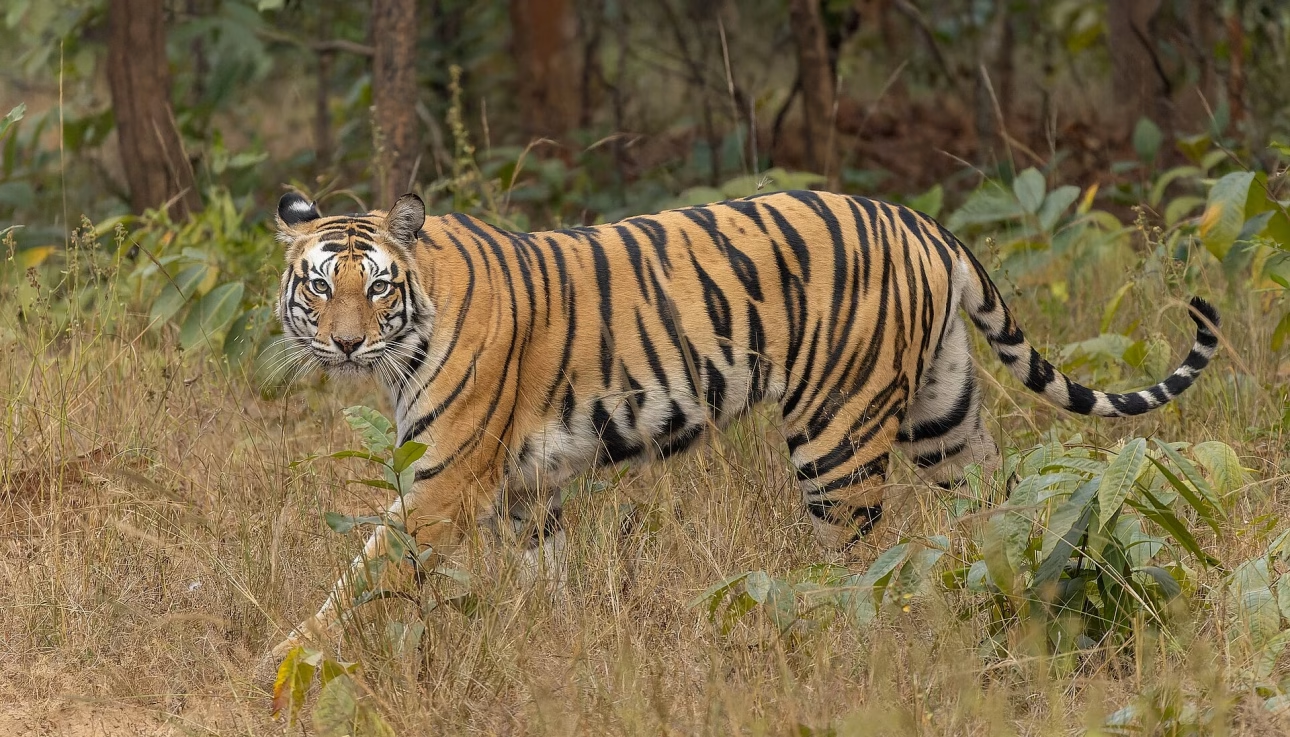
Nepal has recorded a major conservation success, with the 2026 national tiger census confirming 429 Bengal tigers, up from 355 in 2022. Chitwan National Park now has 145 tigers, the highest in the country, while Parsa, Banke, and Shuklaphanta also showed significant increases. The article explains the latest tiger census results, highlights the best places to see tigers in Nepal, and shows how this achievement makes Chitwan and other national parks even more attractive for wildlife safaris and Nepal wildlife tours.
Tiger in Nepal – Nepal Celebrates a Major Conservation Milestone
Nepal has achieved another remarkable conservation success. This is encouraging news for travelers who intent Nepal Wildlife Tour focusing 14 Days Rhino & Tiger Safari Adventure. According to the latest national tiger census released on July 29, 2026, the country is now home to 429 endangered Bengal tigers, up from 355 tigers recorded in the 2022 census.
This increase of 74 tigers in just four years highlights Nepal’s growing reputation as one of the world’s most successful wildlife conservation destinations. The census was conducted using camera traps between December 31, 2025, and April 23, 2026, across Nepal’s major protected areas.
For travelers planning a Nepal Wildlife Tour, this is exciting news: your chances of experiencing Nepal’s rich jungle ecosystem have never been better.
Latest Tiger Census 2026: National Park Comparison
| National Park | 2022 | 2026 |
|---|---|---|
| Chitwan National Park | 128 | 145 |
| Bardiya National Park | 125 | 112 |
| Parsa National Park | 41 | 71 |
| Banke National Park | 25 | 51 |
| Shuklaphanta National Park | 36 | 50 |
| Total Nepal | 355 | 429 |
The strongest growth was recorded in Parsa National Park, while Chitwan National Park continues to hold the largest tiger population in Nepal.
Why This Matters for Your Nepal Wildlife Tour
A healthy tiger population is one of the strongest indicators of a thriving ecosystem. Tigers sit at the top of the food chain, and their survival depends on:
- Dense forests
- Healthy grasslands
- Abundant prey such as deer and wild boar
- Protected water sources
- Effective anti-poaching measures
When tiger numbers increase, it usually means the entire ecosystem is functioning well. Visitors joining our Nepal Wildlife Tour not only enjoy exciting jungle safaris but also contribute to the conservation of these extraordinary habitats.
Chitwan National Park: Nepal’s Premier Tiger Destination
Located in the subtropical lowlands of southern Nepal, Chitwan National Park remains the country’s most famous wildlife destination.
Tiger Population Growth
Chitwan now supports 145 Bengal tigers, compared with 128 in 2022. The park has experienced significant changes over the past two decades:
- Around 60 tigers in 2000
- 91 in 2009
- 120 in 2013
- 93 in 2018
- 128 in 2022
- 145 in 2026
This recovery demonstrates the effectiveness of Nepal’s conservation efforts, including habitat restoration, community forestry programs, and stronger wildlife protection.
What Visitors Can Experience
A Chitwan jungle safari offers much more than tiger tracking:
- Jeep safaris through grasslands and sal forests
- Canoe rides along the Rapti River
- Birdwatching with over 500 species recorded
- Encounters with one-horned rhinoceroses
- Sightings of sloth bears, gaur, crocodiles, and wild elephants
- Visits to Tharu cultural villages
Even when a tiger remains elusive, the overall wildlife experience is exceptionally rewarding.
Bardiya National Park: A Wilder Alternative
Although Bardiya National Park recorded a decline from 125 to 112 tigers, it still holds the second-largest tiger population in Nepal.
Many wildlife enthusiasts actually prefer Bardiya because it offers:
- Fewer tourists
- More remote wilderness
- Excellent opportunities for walking safaris
- Authentic community-based tourism experiences
- Better chances of extended wildlife observation without crowds
For photographers and serious nature lovers, Bardiya remains one of the most attractive protected areas in South Asia.
Parsa, Banke, and Shuklaphanta: Nepal’s Rising Wildlife Stars
The latest census revealed impressive growth in several lesser-known parks.
Parsa National Park
- Increased from 41 to 71 tigers
- Important extension of the Chitwan landscape
- Excellent for off-the-beaten-path wildlife exploration
Banke National Park
- Increased from 25 to 51 tigers
- Tiger population has more than doubled
- Emerging destination for conservation-focused tourism
Shuklaphanta National Park
- Increased from 36 to 50 tigers
- Famous for vast grasslands and swamp deer populations
- Outstanding birdwatching opportunities
These parks are becoming increasingly important for travelers seeking unique Nepal wildlife experiences beyond Chitwan.
The Bengal Tiger: Nepal’s Most Iconic Wildlife Species
The Royal Bengal tiger (Panthera tigris tigris) is one of the world’s most charismatic predators. Adult males can weigh over 220 kg (485 lb) and require large territories to survive.
In Nepal’s Terai region, tigers typically inhabit:
- Tall elephant grass
- Riverine forests
- Sal forest ecosystems
- Wetland edges
- Floodplain habitats rich in prey
Spotting a tiger in the wild is never guaranteed, which is exactly what makes the experience so special. Every sighting represents a genuine encounter with a free-ranging apex predator.
Best Time for a Nepal Wildlife Tour
The timing of your trip can significantly affect wildlife viewing opportunities.
October to March — Best Overall Season
- Pleasant temperatures
- Clear skies
- Comfortable safari conditions
- Excellent birdwatching
February to April — Best for Tiger Sightings
As grasses become shorter and animals concentrate near water sources, visibility improves considerably.
May to June — Good for Experienced Wildlife Travelers
Hotter weather can increase animal activity around rivers and waterholes, though temperatures may exceed 95°F (35°C).
July to September — Monsoon Season
- Lush green landscapes
- Fewer tourists
- Some safari activities may be limited due to rainfall
For most international visitors, November through March remains the ideal period for a Nepal Wildlife Tour.
Suggested Wildlife Itinerary
Our recommended Nepal Wildlife Tour combines culture, nature, and jungle adventure.
Day 1–2: Kathmandu
- UNESCO World Heritage Sites
- Swayambhunath (Monkey Temple)
- Kathmandu Durbar Square
- Traditional Nepali cuisine
Day 3–5: Chitwan National Park
- Jeep safari
- Canoe excursion
- Nature walk
- Tharu cultural program
- Birdwatching tour
Day 6–7: Pokhara
- Phewa Lake boating
- Sarangkot sunrise
- Mountain views of the Annapurna range
- Relaxation after the jungle adventure
Day 8: Return to Kathmandu
This itinerary offers a perfect balance of wildlife, culture, and Himalayan scenery.
Responsible Tiger Tourism in Nepal
As tiger tourism grows, responsible travel becomes increasingly important.
Follow Park Guidelines
- Maintain a safe distance from wildlife
- Keep noise levels low
- Never attempt to attract animals
- Stay with authorized guides
Support Conservation-Friendly Operators
Choosing locally based operators helps:
- Create jobs for nearby communities
- Reduce pressure on forest resources
- Fund conservation initiatives
- Encourage long-term wildlife protection
Our Nepal Wildlife Tour is designed with these principles in mind, ensuring that tourism benefits both visitors and local conservation efforts.
Wildlife Beyond Tigers
While the tiger census has captured international attention, Nepal’s jungles support an extraordinary diversity of wildlife.
Mammals
- Greater one-horned rhinoceros
- Asian elephant
- Sloth bear
- Leopard
- Wild boar
- Sambar deer
- Chital (spotted deer)
- Gaur (Indian bison)
Birds
Chitwan alone hosts 500+ bird species, including:
- Great hornbill
- Bengal florican
- Lesser adjutant stork
- Paradise flycatcher
- Kingfishers
- Eagles and vultures
For many visitors, the combination of rhinos, crocodiles, elephants, and tropical birdlife makes Nepal one of Asia’s most underrated wildlife destinations.
Conservation Success Story: A Global Example
Nepal has gained international recognition for its tiger conservation achievements. The country was among the first to double its tiger population from the 2009 baseline, meeting a major global conservation target ahead of schedule.
Key factors behind this success include:
- Strong government commitment
- Community-managed buffer zones
- Anti-poaching patrols
- Scientific monitoring using camera traps
- Habitat connectivity between protected areas
- Local participation in tourism and conservation
The increase to 429 tigers in 2026 reinforces Nepal’s position as a global leader in wildlife conservation.
Why Choose Our Nepal Wildlife Tour?
With the exciting new tiger census results, there has never been a better time to explore Nepal’s jungles.
Our Tour Includes
- Experienced naturalist guides
- Carefully selected jungle lodges
- Private or customized departures
- Comfortable transportation
- Cultural experiences with local communities
- Flexible extensions to Pokhara, Bandipur, or Lumbini
Whether you are a wildlife photographer, birdwatcher, family traveler, or nature enthusiast, our tour is designed to maximize your experience while supporting responsible tourism.
Plan Your Nepal Wildlife Adventure
The news that Nepal’s tiger population has risen to 429 is more than just a conservation statistic—it is an invitation to experience one of the world’s most inspiring wildlife recovery stories.
From the 145 tigers of Chitwan to the remote wilderness of Bardiya and the emerging habitats of Parsa, Banke, and Shuklaphanta, Nepal offers an exceptional opportunity to witness thriving biodiversity in its natural setting.
If you have been dreaming of seeing Bengal tigers, one-horned rhinos, elephants, and exotic birdlife while also enjoying Nepal’s rich culture and Himalayan landscapes, this is the perfect time to book your journey.
👉 Explore our complete Nepal Wildlife Tour here:
Frequently Asked Questions
Is it guaranteed that I will see a tiger in Chitwan?
No wildlife sighting can ever be guaranteed. However, Chitwan’s increasing tiger population and experienced naturalist guides provide some of the best opportunities for tiger sightings in Nepal.
Which park is better for tiger photography: Chitwan or Bardiya?
Chitwan offers higher tiger numbers and easier access, while Bardiya provides a wilder environment with fewer tourists and excellent opportunities for extended wildlife observation.
How many days are recommended for a Nepal Wildlife Tour?
We recommend 3–4 nights in Chitwan for a meaningful safari experience, or 7–10 days if combining wildlife with Kathmandu and Pokhara.
Is Chitwan suitable for families?
Yes. Chitwan is one of Nepal’s most family-friendly wildlife destinations, with comfortable lodges, guided activities, and opportunities to see rhinos, deer, crocodiles, and birds even if a tiger is not spotted.
What should I pack for a jungle safari in Nepal?
Bring neutral-colored clothing, a hat, sunscreen, insect repellent, binoculars, a camera with a zoom lens, comfortable walking shoes, and a light jacket for early morning safaris.
Article updated: 29 July 2026
Source referenced: Kathmandu Post, “Nepal’s tiger population rises to 429, latest census shows” (29 July 2026).
