

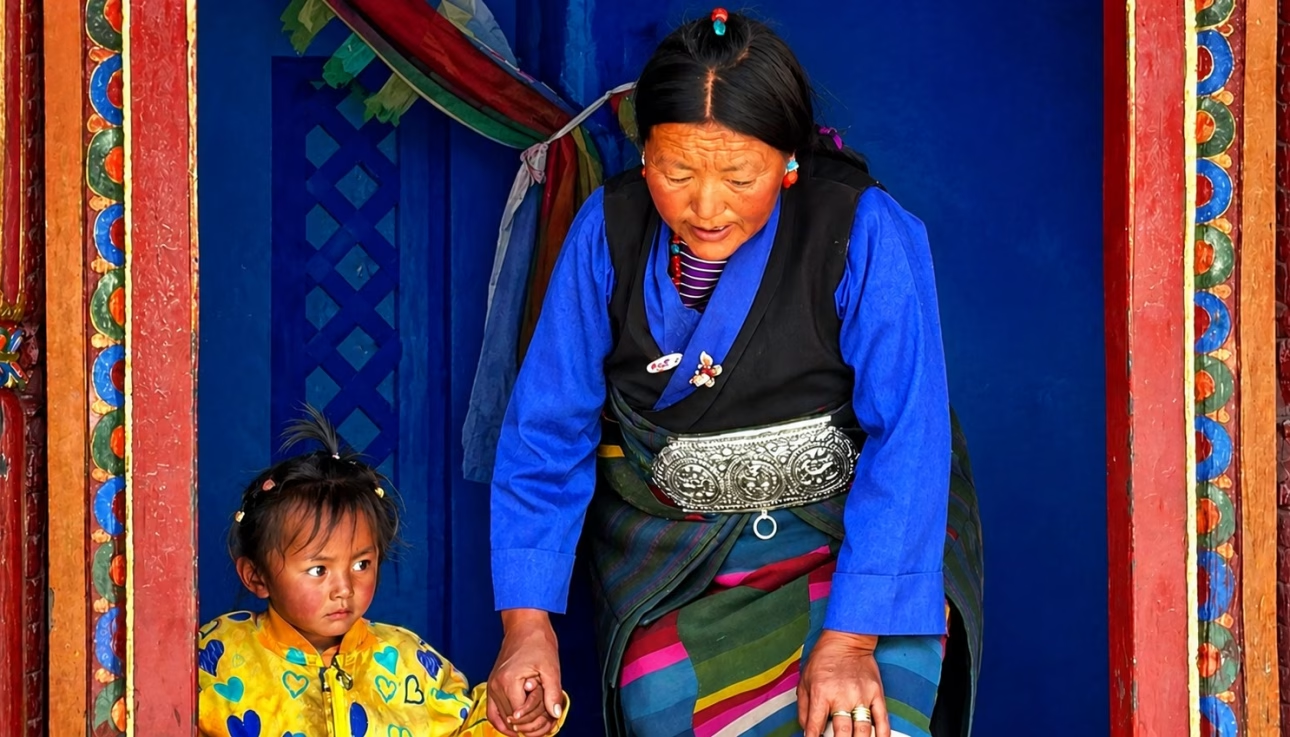
Planning a trip to the land of the Himalayas but wondering, “Is Nepal safe for tourists?” The short answer is yes, Nepal is incredibly safe and consistently ranks as one of the most welcoming and peaceful destinations in South Asia.
With its deeply rooted cultural belief that “Atithi Devo Bhava” (The Guest is God), the Nepalese people are legendary for their warmth and hospitality. However, whether you are planning an Everest Base Camp trek, exploring the historic streets of Kathmandu, or embarking on a solo adventure, staying informed is key to a smooth journey.
This comprehensive guide breaks down everything you need to know about travel safety in Nepal, from petty crime rates and solo female travel to altitude sickness and trekking regulations.
Nepal Travel Safety at a Glance
For a quick overview of the safety situation in Nepal, see the summary below:
| Risk Category | Risk Level | Key Precaution |
| Violent Crime | Extremely Low | Virtually non-existent for tourists; standard street-smart awareness is enough. |
| Petty Theft | Low to Medium | Stay vigilant in crowded markets (like Thamel) and public transport. |
| Trekking & Altitude | Medium to High | Never trek alone; hire a licensed guide and acclimatize properly. |
| Tap Water & Food | Medium | Drink only bottled or purified water; eat hot, thoroughly cooked food. |
| Solo Female Travel | Low | Very safe, but dress modestly and avoid walking alone in isolated areas at night. |
Crime and Urban Safety in Nepal
Is Kathmandu Safe?
Yes, Kathmandu—along with Pokhara and other major tourist hubs—is highly secure. Violent crime targeting foreigners is exceptionally rare. The Nepal Tourist Police maintain a strong, active presence in traveler zones like Thamel, Patan, and Bhaktapur to assist international visitors.
Avoiding Petty Theft and Common Scams
While violent crime isn’t a concern, opportunistic petty crime like pickpocketing can happen in crowded bazaars, bus stations, or festivals.
- Keep Valuables Secure: Use a money belt and don’t flash expensive jewelry or large amounts of cash.
- Watch Out for Taxi Scams: Taxis rarely use meters for tourists. Always agree on a fixed fare before stepping inside, or use local app-based ride services in major cities.
- Avoid Street Peddlers: Politely decline aggressive street vendors or “holy men” who try to put a tika on your forehead and demand high fees.
Trekking Safety: Staying Secure in the Himalayas
The biggest risks in Nepal are typically environmental rather than criminal. The mountains demand respect, and safety on the trails requires proper planning.
Mandatory Licensed Guides Rule
To enhance traveler safety and protect local communities, all trekkers in Nepal are required to hire a licensed guide for most established routes (such as the Annapurna Circuit or Langtang Valley). Guides provide navigating expertise, speak the local language, and are trained to handle medical emergencies.
Understanding Altitude Sickness (AMS)
Acute Mountain Sickness (AMS) can affect anyone, regardless of physical fitness. When trekking above 3,000 meters:
- Ascend Slowly: Do not gain more than 300–500 meters of sleeping altitude per night.
- Stay Hydrated: Drink plenty of fluids and avoid alcohol.
- Know the Symptoms: Headaches, nausea, dizziness, and fatigue are early warning signs. If symptoms worsen, the only cure is immediate descent.
Pro Tip: Make sure you purchase comprehensive travel insurance before you leave. Ensure your policy explicitly covers high-altitude trekking (up to 6,000 meters) and emergency helicopter evacuation.
Is Nepal Safe for Solo Female Travelers?
Nepal is widely considered one of the safest destinations in Asia for solo female travelers. The local culture is respectful, and harassment is uncommon. However, practicing common-sense travel precautions is always recommended:
- Dress Modestly: Respect local traditions by keeping your shoulders and knees covered, especially when visiting temples, monasteries, and rural villages.
- Avoid Night Trekking: Never walk or trek alone in remote or unlit areas after dark.
- Stay in Highly Reviewed Accommodation: Book guesthouses or hostels with positive reviews from other solo travelers.
Health, Food, and Water Safety
Staying healthy is crucial to enjoying your Nepal tour packages. “Kathmandu Belly” is a common rite of passage, but it can easily be avoided.
- Never Drink Tap Water: Tap water is unsafe throughout the country. Stick to sealed bottled water, use water purification tablets, or carry a UV water filter bottle.
- Street Food Caution: Ensure food is cooked fresh and served piping hot. Avoid raw salads or pre-cut fruits washed in tap water.
- Pack a First Aid Kit: Carry personal medications, rehydration salts, painkillers, and band-aids. Pharmacy access can be limited once you enter remote mountain regions.
Final Verdict: Should You Visit Nepal?
Absolutely. The real-world situation on the ground is peaceful, stable, and incredibly inviting. By booking your journey through a trusted, licensed local operator, securing proper insurance, and respecting local customs, your trip to Nepal will be a safe, life-changing, and profoundly meaningful adventure.
Are you ready to explore the wonders of the Himalayas? Explore our curated, fully guided [Nepal Tours & Trekking Packages] to start planning your worry-free vacation today!
