

Summary
The Everest Base Camp Trek Packing List guide provides all the essential information trekkers need to prepare for one of the world's most famous Himalayan adventures. This comprehensive guide covers recommended clothing, trekking boots, sleeping bags, backpacks, trekking poles, personal medical supplies, and other important equipment required for high-altitude trekking in the Everest region.
The article explains how proper preparation and the right gear can improve safety, comfort, and trekking performance while reducing the challenges of cold temperatures, changing weather, and high-altitude conditions. Trekkers will also find practical packing tips, common mistakes to avoid, and advice on renting trekking equipment in Kathmandu.
Whether you are a first-time trekker or an experienced adventurer, this guide helps ensure you are fully prepared for the journey. It also highlights how our Best Price Everest Base Camp Trek package includes expert local support and complimentary use of selected trekking equipment, making your Everest adventure easier and more affordable.
Preparing the right equipment is one of the most important parts of planning a successful Everest Base Camp Trek. The journey takes you from the relatively warm and lush surroundings of the lower Khumbu to high-altitude Himalayan terrain, where temperatures can fall below freezing and weather conditions can change quickly.
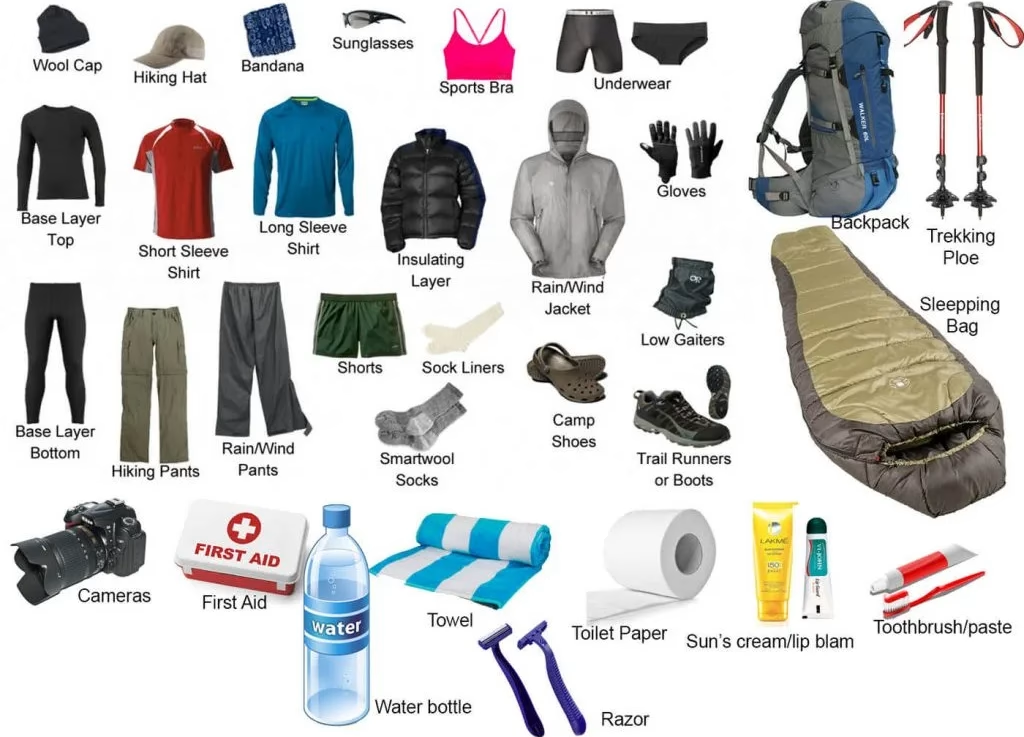
A carefully prepared Everest Base Camp Trek Packing List helps you stay warm, comfortable, dry, and prepared for different conditions throughout the journey. You do not need to carry every piece of trekking equipment available, but you do need to choose the right clothing, footwear, sleeping equipment, personal items, and high-altitude accessories.
The Everest Base Camp route reaches 5,364 meters (17,598 feet) at Everest Base Camp, while the popular viewpoint of Kala Patthar reaches approximately 5,545 meters (18,192 feet). At these elevations, even a relatively simple item such as a warm pair of gloves, a good sleeping bag, or comfortable trekking socks can make a significant difference to your experience.
If you are planning the Best Price Everest Base Camp Trek, this comprehensive packing guide explains what to bring, what you can rent in Kathmandu, what you may not need, and how to keep your overall luggage manageable.
Why Your Everest Base Camp Trek Packing List Matters
Packing for Everest Base Camp is different from packing for an ordinary holiday. During the lower sections of the trek, you may experience relatively mild temperatures during the day. As you climb higher, however, the environment becomes colder, windier, drier, and more exposed.
The temperature can also vary considerably between daytime and nighttime. You may begin a trekking day wearing several layers and later remove some of them as the sun becomes stronger. In the evening, you may need your down jacket, thermal layers, gloves, and warm hat.
Good trekking equipment helps you:
- Stay warm in cold conditions
- Remain dry during rain or snow
- Protect yourself from strong Himalayan sunlight
- Reduce discomfort during long walking days
- Prevent blisters and foot problems
- Manage changing weather conditions
- Carry your belongings comfortably
- Sleep more comfortably at high altitude
- Enjoy the trek without unnecessary equipment
The objective is not to pack as much as possible. Instead, the goal is to create a lightweight and practical system of clothing and equipment that allows you to adapt to different conditions.
Understanding the Everest Base Camp Environment
Before deciding what to pack, it is useful to understand how conditions change during the trek.
The Everest Base Camp route passes through forests, river valleys, suspension bridges, villages, alpine landscapes, rocky trails, and high-altitude terrain. You may encounter sunshine, wind, rain, snow, dust, and freezing temperatures during different parts of the journey.
The lower sections around Lukla, Phakding, and Namche can feel relatively comfortable during the daytime. Higher elevations around Tengboche, Dingboche, Lobuche, Gorak Shep, and Everest Base Camp are considerably colder.
This is why layering is more important than simply bringing one extremely thick jacket.
A practical clothing system generally consists of:
- Base layer
- Mid or insulation layer
- Outer shell
- Down jacket for cold conditions
This system allows you to add or remove layers according to the weather and your activity level.
Essential Clothing for Your Everest Base Camp Trek
1. Base Layers
Base layers sit directly against your skin and help manage moisture while keeping you warm.
For most trekkers, two or three sets are sufficient.
Recommended base layers
- 2–3 thermal tops
- 2–3 thermal bottoms
- Moisture-wicking T-shirts
- Lightweight long-sleeved trekking shirts
Merino wool or good-quality synthetic materials are excellent choices because they manage moisture better than cotton.
Why avoid cotton?
Cotton absorbs moisture and dries slowly. If you sweat while walking and your clothing remains damp, you may become uncomfortable when the temperature drops.
Synthetic or merino layers dry more quickly and are better suited to Himalayan trekking.
You do not necessarily need to wear thermal layers while walking at lower elevations. Save heavier thermal clothing for colder mornings, evenings, and higher-altitude sections.
2. Trekking Shirts
Bring two or three lightweight trekking shirts.
Long-sleeved shirts are particularly useful because they provide protection from:
- Strong sunlight
- Wind
- Dust
- Cold air
- Insects at lower elevations
A combination of short- and long-sleeved shirts gives you greater flexibility.
Choose quick-drying materials rather than heavy cotton shirts.
3. Trekking Pants
Two pairs of comfortable trekking pants are generally enough for most trekkers.
Look for pants that are:
- Lightweight
- Comfortable
- Quick-drying
- Flexible
- Suitable for walking uphill and downhill
Convertible trekking pants can also be useful, particularly in warmer sections of the trail.
You may also want a lightweight pair of thermal bottoms for higher elevations and cold nights.
4. Fleece or Mid-Layer Jacket
A fleece jacket is one of the most useful pieces of clothing on the trek.
It provides warmth without adding excessive weight and can be worn over your base layer.
A medium-weight fleece is generally versatile enough for different sections of the route.
You can use it:
- During cold mornings
- While walking at higher elevations
- In tea houses during the evening
- As an additional layer beneath your down jacket
5. Down Jacket
A good insulated down or synthetic jacket is an essential part of your Everest Base Camp Trek Packing List.
It becomes particularly important at higher elevations, especially in the evening and early morning.
A quality down jacket provides excellent warmth without excessive bulk.
You may use it at:
- Dingboche
- Lobuche
- Gorak Shep
- Everest Base Camp
- Kala Patthar
- During early-morning starts
If you are trying to reduce the cost of your Best Price Everest Base Camp Trek, a down jacket is one of the items that can often be rented in Kathmandu rather than purchased.
6. Waterproof and Windproof Outer Layer
Mountain weather can change rapidly, so a waterproof outer shell is essential.
Your waterproof jacket should ideally be:
- Waterproof
- Windproof
- Breathable
- Lightweight
- Large enough to fit over your insulation layers
A waterproof trekking jacket with a hood is particularly useful.
You should also carry waterproof trekking pants or rain pants. These can be worn over your regular trekking pants when rain or snow arrives.
Do not rely on an ordinary umbrella or casual rain jacket as your main protection in the higher Himalayas.
Trekking Footwear
7. Trekking Boots
Your trekking boots are arguably the most important item on your entire packing list.
Choose boots that provide:
- Good grip
- Comfortable fit
- Adequate ankle support
- Suitable insulation
- Waterproof protection
The boots should already be broken in before you arrive in Nepal.
Never start the Everest Base Camp Trek with brand-new boots.
Even an expensive pair of boots can cause blisters if you have not worn them before.
Ideally, use your trekking boots on several walks before the trek so you can identify pressure points and make sure they fit properly.
8. Trekking Socks
Good socks can make a surprisingly large difference to your comfort.
Pack approximately:
- 4–5 pairs of trekking socks
- 2 pairs of warm wool or thermal socks
Choose moisture-wicking socks that fit comfortably inside your boots.
Avoid wearing socks that are too thick if they make your boots tight. Restricted circulation can make your feet colder rather than warmer.
Keep one dry pair specifically for evenings and sleeping.
9. Camp Shoes
A lightweight pair of sandals, trainers, or camp shoes can be very useful.
After several hours of trekking, it is comfortable to remove your boots and allow your feet to rest.
Your camp shoes do not need to be heavy. Choose something lightweight that is easy to pack.
Backpack and Luggage
10. Daypack
A comfortable 25–35-liter daypack is usually sufficient for carrying the items you need during each day’s trek.
Your daypack may contain:
- Water
- Snacks
- Camera
- Sunscreen
- Sunglasses
- Rain jacket
- Extra layer
- Personal medication
- Phone
- Power bank
- Small personal items
Choose a backpack with comfortable shoulder straps and a supportive waist belt.
A rain cover is also highly recommended.
11. Duffel Bag
If you are travelling with a porter, your main trekking belongings can be packed in a duffel bag.
A capacity of approximately 70–90 liters is generally more than sufficient for most trekkers, although the ideal size depends on how much you bring.
Keep your day-to-day necessities in your daypack and store clothing and other less frequently used items in your duffel.
Many trekking operators arrange or provide a trekking duffel bag as part of their package, so check with your trekking company before purchasing one.
Sleeping Equipment
12. Sleeping Bag
A warm sleeping bag is highly recommended for the Everest Base Camp Trek.
Tea houses generally provide blankets, but having your own sleeping bag provides an additional layer of warmth and personal comfort.
For colder high-altitude nights, a sleeping bag rated around -10°C to -20°C can be useful, depending on the season, your personal tolerance for cold, and the quality of the accommodation.
If you do not want to purchase an expensive sleeping bag, suitable models can often be rented in Kathmandu.
Always check the condition and rating of a rental sleeping bag before accepting it.
Trekking Poles
13. Trekking Poles
Trekking poles are not compulsory, but many trekkers find them extremely useful.
They can help:
- Improve balance
- Reduce pressure on the knees
- Provide support on steep sections
- Make descents more comfortable
- Improve stability on uneven terrain
- Reduce fatigue
They are particularly useful during long descents and on rocky sections of the Everest trail.
Adjustable trekking poles are convenient because they can be shortened and attached to your backpack when not required.
Headlamp
14. Headlamp
A reliable headlamp is essential.
You may need it for:
- Early morning starts
- Walking around the tea house before sunrise
- Kala Patthar sunrise excursions
- Power interruptions
- Finding your way around accommodation at night
Bring spare batteries or ensure your rechargeable headlamp is fully charged.
A headlamp is much more practical than relying on your phone’s flashlight.
Sunglasses and Eye Protection
15. Sunglasses
Strong ultraviolet exposure is an important consideration at high altitude.
Bring quality sunglasses that provide adequate UV protection. Wraparound or well-fitting designs can provide additional protection from wind and glare.
Polarized lenses can be helpful for reducing glare, although the most important consideration is proper UV protection.
For high-altitude conditions and snow, suitable mountaineering or glacier-style eyewear can provide additional protection.
Never underestimate the intensity of Himalayan sunlight, especially at higher elevations.
Sun Protection
16. Sunscreen
The sun can be intense in the Himalayas, particularly at high altitude.
Pack:
- SPF 50+ sunscreen
- Lip balm with SPF
- Sun hat
- Sunglasses
Apply sunscreen regularly to exposed areas, including your face, ears, neck, and hands.
Your lips can also become dry and cracked due to the combination of cold air, wind, and strong sunlight, so SPF lip balm is useful.
Hats and Gloves
17. Warm Hat
A warm fleece or wool hat is essential for colder sections of the trek.
Much of your body heat can be lost through your head, particularly in cold and windy conditions.
Also consider bringing a lightweight sun hat for lower elevations and daytime walking.
18. Gloves
Bring at least two types of gloves:
- Lightweight trekking gloves
- Warm insulated gloves
The lightweight pair can be used while walking during cooler conditions, while the insulated gloves are useful at higher elevations and during early-morning activities.
Water and Hydration Equipment
19. Water Bottles
Staying hydrated is important throughout the trek.
Carry enough water for the day’s walking, depending on the availability of refill stations and the guidance of your trekking team.
Useful options include:
- Reusable water bottles
- Hydration bladder
- Insulated bottle
An insulated bottle can be particularly useful at higher elevations where water may become very cold.
20. Water Purification
You can carry purification tablets, a portable water filter, or another suitable treatment method.
Many trekkers purchase or refill water along the route rather than carrying all of the day’s water from the beginning.
Your guide can advise you about available drinking-water options during the trek.
Avoid unnecessary single-use plastic bottles whenever possible.
Personal Medical Kit
21. Basic First-Aid Supplies
Carry a small personal medical kit containing items you are familiar with.
Useful items include:
- Personal prescription medications
- Basic pain relief
- Blister treatment
- Bandages
- Antiseptic wipes
- Rehydration salts
- Basic first-aid supplies
- Personal hygiene medication as required
If you regularly take prescription medication, carry enough for the entire journey and keep it in your daypack.
Altitude and Medication
22. Altitude Considerations
Altitude sickness is one of the major considerations on the Everest Base Camp Trek.
Medication such as acetazolamide (Diamox) is sometimes used for altitude-related prevention or treatment, but it should only be taken according to appropriate medical advice.
Do not rely on medication as a substitute for proper acclimatization.
The most important measures include:
- Following the planned acclimatization schedule
- Ascending gradually
- Drinking sufficient fluids
- Avoiding excessive alcohol
- Getting adequate rest
- Informing your guide about symptoms
- Never ignoring serious altitude symptoms
Your trekking itinerary should include appropriate acclimatization days, particularly around Namche Bazaar and Dingboche or other suitable locations.
Electronics and Camera Equipment
23. Smartphone
A smartphone is useful for:
- Photography
- Communication
- Offline maps
- Emergency contact
- Reading
- Music
- Travel documents
Download important information before leaving Kathmandu because mobile connectivity can be limited or inconsistent in parts of the Everest region.
24. Power Bank
Bring a reliable power bank because charging facilities at tea houses may be limited or available for an additional fee.
A power bank can keep your:
- Phone
- Camera
- Headlamp
- GPS device
operational when charging opportunities are limited.
Keep electronic equipment protected from moisture and extreme cold.
25. Camera and Spare Batteries
The Everest region offers exceptional opportunities for photography.
If you are carrying a camera, consider:
- Spare batteries
- Extra memory cards
- Lightweight camera bag
- Lens protection
- Small cleaning cloth
Cold temperatures can reduce battery performance, so keep spare batteries somewhere warm, such as an inner jacket pocket.
Do not bring heavy camera equipment unless photography is one of the primary purposes of your trek.
Toiletries and Hygiene
26. Personal Toiletries
Keep your toiletries compact and lightweight.
Recommended items include:
- Toothbrush
- Toothpaste
- Biodegradable soap
- Hand sanitizer
- Wet wipes
- Quick-drying towel
- Toilet paper
- Lip balm
- Small personal mirror
- Moisturizer
Wet wipes can be especially useful on days when a full shower is unavailable or when you want to reduce the need for hot-water services.
Remember that waste management is important in the Everest region, so avoid unnecessary packaging and dispose of waste responsibly.
Toilet Paper and Hygiene Supplies
Always keep a small supply of toilet paper in your daypack.
Do not assume that every toilet along the route will have toilet paper available.
Hand sanitizer is also useful after using shared facilities.
Women should also bring sufficient personal hygiene supplies for the entire trek, as availability can be limited at higher elevations.
Optional Equipment
Not everything on a trekking store shelf needs to be in your backpack.
Depending on your preferences, you may consider:
- Binoculars
- Journal
- E-reader
- Small travel towel
- Lightweight camp shoes
- Energy bars
- Small dry bag
- Camera accessories
- Earplugs
- Travel pillow
- Portable charger
- Small sewing kit
These are optional rather than essential.
The key principle is to ask yourself whether an item will genuinely improve your trek before adding it to your luggage.
Snacks and Energy Food
Although food is available at tea houses throughout the Everest Base Camp route, many trekkers like to carry a few personal snacks.
Useful options include:
- Energy bars
- Trail mix
- Nuts
- Dried fruit
- Chocolate
- Electrolyte sachets
Choose foods that are easy to carry and tolerate well during physical activity.
Do not depend entirely on snacks for nutrition. Eat regular meals and follow your guide’s recommendations.
Documents and Money
27. Important Travel Documents
Keep your important documents secure and accessible.
Your travel documents may include:
- Passport
- Visa documentation
- Travel insurance details
- Trekking permits
- Flight information
- Hotel information
- Emergency contact details
Keep digital copies of important documents on your phone or secure cloud storage as an additional backup.
28. Cash
Carry sufficient Nepalese rupees for personal expenses.
Although some tea houses accept electronic payments in certain locations, connectivity and payment facilities can vary significantly as you move higher into the mountains.
Cash is therefore still important.
You may need money for:
- Drinks
- Snacks
- Hot showers
- Charging electronics
- Wi-Fi
- Tips
- Personal purchases
Your trekking company can advise you about the approximate amount of cash to carry.
Equipment You Can Rent in Kathmandu
One of the advantages of trekking in Nepal is that you do not necessarily have to purchase every item before your trip.
Depending on availability, you can often rent equipment in Kathmandu such as:
- Down jackets
- Sleeping bags
- Trekking poles
- Duffel bags
- Other selected trekking equipment
Renting can be particularly useful if you live in a warm climate and do not expect to use heavy cold-weather equipment frequently after returning home.
Before renting, check the condition, cleanliness, fit, and suitability of each item.
For travelers looking for the Best Price Everest Base Camp Trek, renting selected equipment can also help keep the overall cost of your trip under control.
What Not to Pack for Everest Base Camp
A good packing list is also about knowing what to leave behind.
You generally do not need:
- Multiple pairs of heavy jeans
- Excessive casual clothing
- Large bottles of toiletries
- Too many shoes
- Heavy books
- Unnecessary electronics
- Large towels
- Excessive food
- Duplicate equipment
- Bulky luggage
Remember that a porter has a weight limit and your own daypack must remain comfortable.
A lighter load makes the trekking experience much more enjoyable.
Common Packing Mistakes to Avoid
Packing Too Much
One of the most common mistakes is bringing far more clothing than necessary.
A well-planned layering system is more efficient than carrying many individual garments.
Wearing Brand-New Boots
Never test your new boots for the first time on the Everest trail.
Break them in beforehand.
Forgetting Waterproof Protection
Even during favorable trekking seasons, weather can change unexpectedly.
Always have waterproof protection accessible in your daypack.
Underestimating the Cold
Lower elevations may feel comfortable, but temperatures at Gorak Shep and other high-altitude locations can be extremely cold.
Do not base your clothing decisions only on the weather in Kathmandu.
Ignoring Sun Protection
High altitude increases exposure to ultraviolet radiation.
Sunscreen, sunglasses, and a good hat should always be readily accessible.
Carrying Too Much Weight
Every unnecessary item adds weight.
Before packing, ask yourself:
“Will I actually use this during the trek?”
If the answer is no, leave it behind.
Everest Base Camp Trek Packing List by Category
Clothing
- 2–3 thermal tops
- 2–3 thermal bottoms
- 2–3 trekking shirts
- 2 trekking pants
- Fleece jacket
- Down or insulated jacket
- Waterproof jacket
- Waterproof pants
- Warm hat
- Sun hat
- Lightweight gloves
- Warm insulated gloves
- 4–5 pairs of trekking socks
- 2 pairs of warm socks
Footwear
- Broken-in waterproof trekking boots
- Lightweight camp shoes
- Comfortable trekking socks
Bags
- 25–35L daypack
- 70–90L duffel bag, if required
- Rain cover
- Small dry bags
Sleeping Equipment
- Warm sleeping bag
- Sleeping bag liner, optional
Trekking Equipment
- Trekking poles
- Headlamp
- Spare batteries
- Water bottles or hydration bladder
- Water purification method
- Small personal first-aid kit
Sun Protection
- Sunglasses
- SPF 50+ sunscreen
- SPF lip balm
- Sun hat
Electronics
- Smartphone
- Camera
- Spare batteries
- Memory cards
- Power bank
- Charging cables
Toiletries
- Toothbrush
- Toothpaste
- Soap
- Hand sanitizer
- Wet wipes
- Toilet paper
- Quick-drying towel
- Personal hygiene supplies
Personal Items
- Passport
- Travel insurance details
- Permits and travel documents
- Cash
- Personal medication
- Small snacks
Sample Lightweight Packing Strategy
For most trekkers, the most effective approach is to divide belongings into three groups.
Your Daypack
Keep items you may need during the day:
- Water
- Rain jacket
- Fleece
- Sunscreen
- Sunglasses
- Snacks
- Camera
- Phone
- Personal medication
- Gloves
- Hat
Your Duffel Bag
Keep items you do not need while walking:
- Spare clothing
- Thermal layers
- Sleeping bag
- Toiletries
- Extra socks
- Down jacket
- Personal items
Your Pockets
Keep only small essentials:
- Phone
- Lip balm
- Tissues
- Small amount of cash
This organization makes it much easier to access what you need without repeatedly opening your main luggage.
Packing Tips for Different Seasons
Spring: March to May
Spring is one of the most popular seasons for the Everest Base Camp Trek.
Pack for:
- Mild daytime temperatures at lower elevations
- Cold mornings and evenings
- Increasing cold at higher elevations
- Possible rain or snow
- Strong sunlight
A good layering system remains essential.
Autumn: September to November
Autumn is another excellent trekking period.
You should still prepare for cold conditions at higher elevations, particularly during early mornings and evenings.
Bring:
- Warm down jacket
- Thermal layers
- Gloves
- Warm hat
- Waterproof shell
- Good trekking boots
Clear weather does not mean warm temperatures at altitude.
Winter: December to February
Winter conditions can be significantly colder, with snow and freezing temperatures possible along the route.
A warmer sleeping bag, heavier insulation, and high-quality gloves become particularly important.
Travel during winter should be planned carefully according to current trail and weather conditions.
Monsoon: June to August
The Everest region receives less rainfall than some other parts of Nepal, but monsoon conditions can still affect lower sections of the journey and flights.
If trekking during this period, waterproof protection becomes particularly important.
Packing for the Kala Patthar Sunrise
Many Everest Base Camp trekkers include an early-morning hike to Kala Patthar for panoramic mountain views.
Because the hike often begins before sunrise, temperatures can be extremely cold.
Keep these items easily accessible the night before:
- Down jacket
- Thermal layers
- Warm gloves
- Warm hat
- Headlamp
- Trekking poles
- Sunglasses
- Water
- Camera
Do not pack these items at the bottom of your duffel bag.
The same principle applies to any early-morning departure during the trek.
How Much Should You Carry?
Your exact luggage weight depends on your personal needs and whether you are using a porter.
The best approach is to pack as lightly as reasonably possible while ensuring that you have adequate protection against cold, rain, wind, and high-altitude conditions.
A porter can carry your main duffel, but you should still keep your own daypack manageable.
You will be walking uphill for several hours on many trekking days, so even a small reduction in unnecessary weight can make a noticeable difference.
Final Everest Base Camp Trek Packing Checklist
Before leaving Kathmandu, check that you have the following essentials:
Clothing
- Thermal base layers
- Trekking shirts
- Trekking pants
- Fleece jacket
- Down or insulated jacket
- Waterproof jacket
- Waterproof pants
- Warm hat
- Sun hat
- Lightweight gloves
- Warm gloves
- Trekking socks
- Warm socks
Footwear
- Broken-in trekking boots
- Camp shoes
Bags & Equipment
- Daypack
- Duffel bag
- Rain cover
- Sleeping bag
- Trekking poles
- Headlamp
- Spare batteries
Sun & Weather Protection
- Sunglasses
- SPF 50+ sunscreen
- SPF lip balm
- Waterproof layers
Hydration
- Water bottles
- Hydration bladder, if preferred
- Water purification tablets or filter
Health & Hygiene
- Personal medication
- First-aid supplies
- Blister treatment
- Rehydration salts
- Toothbrush
- Toothpaste
- Wet wipes
- Hand sanitizer
- Toilet paper
- Quick-dry towel
Electronics
- Smartphone
- Camera
- Spare batteries
- Power bank
- Charging cables
Documents
- Passport
- Travel insurance
- Permits
- Flight details
- Emergency contacts
- Nepalese cash
Final Thoughts: Pack Smart, Trek Comfortably
A successful Everest Base Camp Trek does not require an enormous amount of equipment. What matters most is choosing practical, lightweight, reliable gear that is appropriate for high-altitude conditions.
Your footwear should be comfortable and well broken in. Your clothing should follow a layering system so you can adapt to changing temperatures. Your waterproof jacket should always be accessible, your sleeping bag should provide adequate warmth, and your sunglasses and sunscreen should never be forgotten.
At the same time, avoid the temptation to overpack. The Everest Base Camp route involves many hours of walking, and carrying unnecessary weight can make the journey more tiring than it needs to be.
If you are planning the Best Price Everest Base Camp Trek, our experienced local team can help you understand what equipment you actually need, what can be rented in Kathmandu, and how to prepare for the conditions you are likely to encounter along the route.
With the right preparation, a suitable itinerary, proper acclimatization, and dependable trekking support, you can concentrate on what really matters: enjoying the spectacular landscapes, Sherpa culture, mountain villages, monasteries, and unforgettable Himalayan scenery on your journey to the foot of Mount Everest.
